Layering rugs is one of the most stylish and functional design techniques to transform a space, especially when seeking to create a chic, cozy, and inviting atmosphere. Whether you’re looking to add depth, texture, or simply enhance the warmth of your room, rug layering offers endless possibilities. The beauty of this approach lies in its versatility — you can mix and match textures, patterns, and sizes to achieve a customized look that suits your taste and complements your existing decor.
In this guide, we’ll explore how to layer rugs effectively to achieve a harmonious, stylish, and cozy look in any room.
1. Start with the Right Base Rug
The foundation of a successful rug layering strategy is choosing the right base rug. This is the larger, typically neutral rug that anchors the space and provides warmth and structure. When selecting a base rug, ensure it complements the room’s overall style and doesn’t overwhelm the space.
For a living room, a large neutral rug made of wool, jute, or cotton can serve as the perfect starting point. These materials are durable and easy to maintain, and the muted colors of a neutral rug help balance out bold accents and patterns introduced with the top layer. The base rug should be large enough to cover most of the seating area, allowing at least the front legs of your furniture to rest on it. This not only grounds the furniture but also ensures the room feels cohesive.
2. Choose a Smaller Rug for the Top Layer
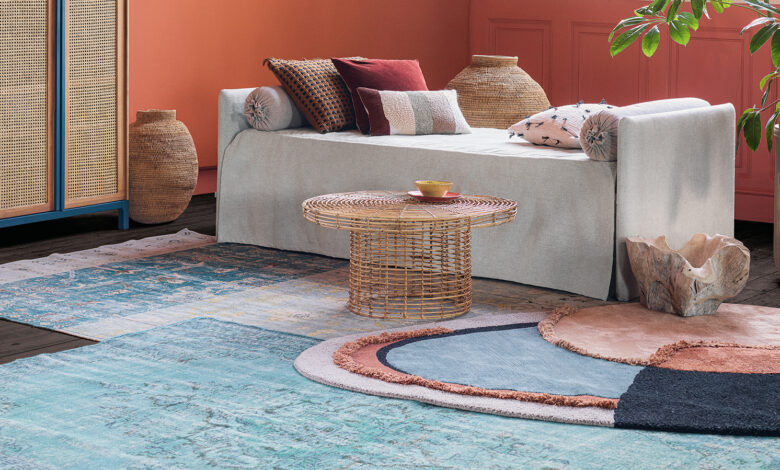
Once you’ve established the base rug, it’s time to layer a smaller rug on top. This rug will introduce texture, color, and personality into the room. Depending on the size of your space, the top rug should be smaller than the base, typically covering a section of the room like under a coffee table, or creating a focal point within a defined area.
For instance, in the living room, a smaller rug can be placed in the center of the larger rug, beneath the coffee table. In a bedroom, you might layer a smaller rug at the foot of the bed or near a cozy reading nook. When choosing a smaller rug, consider patterns, colors, and materials that contrast yet complement the base rug. This creates a layered effect that feels intentional and balanced.
3. Mix Textures for Added Depth
Layering isn’t just about size or color; it’s also about texture. The key to a chic and cozy look lies in the combination of various textures. By mixing textures, you introduce depth and warmth to a room, making the space feel inviting and visually stimulating.
For example, pair a flatweave wool rug as your base with a shaggy or textured rug on top. The smooth, dense weave of wool provides a solid foundation, while the softness of a shag rug adds a touch of comfort and luxury. Alternatively, pair a natural fiber rug like jute with a plush velvet or faux fur rug on top for a tactile contrast that feels both relaxed and refined.
Textural combinations also play a practical role — they can help absorb noise in high-traffic areas and make a room feel cozier and more comfortable underfoot.
4. Play with Patterns for a Bold Statement
One of the most enjoyable aspects of rug layering is the opportunity to experiment with patterns. A bold patterned rug on top of a simple base rug can create a dynamic focal point that draws attention and adds character to the space.
When combining patterns, consider the scale and style of the designs. For instance, you might layer a large, bold geometric rug over a solid neutral base rug to introduce visual interest without overwhelming the room. Or, opt for a vintage or Persian-style rug with intricate patterns layered on top of a simple solid-colored rug. The key is to ensure the patterns complement each other rather than clash.
To maintain balance, try to keep the color palette cohesive, even if the patterns differ. A few well-chosen colors can tie everything together, giving the room a curated and thoughtful feel. If you’re uncertain about how to mix patterns, start with a classic combination of stripes and solids, or a subtle geometric pattern paired with a textured neutral rug.
5. Use Rug Pads for Comfort and Stability
Rug pads are an essential yet often overlooked element when layering rugs. Not only do they provide additional cushioning and comfort underfoot, but they also ensure the rugs stay in place, preventing them from sliding or shifting over time.
When layering rugs, a high-quality rug pad should be placed underneath both the base and top rug to maintain their position and prevent wrinkles or bunching. Opt for a rug pad that’s designed to work with both the materials and sizes of your rugs. A thick pad will enhance comfort, making the area feel even cozier, while a thinner pad may be more appropriate if you’re looking for stability without added bulk.
Additionally, rug pads can help preserve the longevity of your rugs, keeping them in place and preventing excessive wear and tear.
6. Consider the Room’s Functionality
While layering rugs is a beautiful way to enhance a space, it’s important to keep the room’s functionality in mind. For high-traffic areas like the living room or hallway, choose rugs that are durable and easy to clean. Materials like wool, cotton, and synthetics are often the best choices, as they stand up well to heavy use while offering comfort and style.
For areas that are used less frequently, such as a formal dining room or guest bedroom, you might opt for more delicate or decorative rugs, like silk or vintage Persian rugs. These materials add a touch of luxury and sophistication, making the room feel special while remaining low-maintenance.
Keep in mind that layering rugs also helps define different zones in an open-plan space. In a large living room, layering can visually separate the seating area from the dining area, creating two distinct spaces without the need for physical dividers.
7. Create a Harmonious Color Palette
Color coordination is crucial when layering rugs. To achieve a cohesive and chic look, choose rugs that share a similar color palette or complementary hues. For instance, if your base rug is a muted beige or light gray, consider adding a top rug with accents of deep navy, soft gold, or subtle earth tones.
If you’re layering two rugs with patterns, ensure that they share one or two colors in common to tie them together. This keeps the layering visually appealing while preventing the space from feeling chaotic or mismatched.
If you prefer a more neutral or monochromatic aesthetic, choose top rugs that feature softer shades of the base rug’s colors. This subtle layering approach maintains a refined, understated style.
8. Layering Rugs in Unexpected Spaces
While living rooms and bedrooms are common places to layer rugs, don’t limit yourself to traditional areas. Layering rugs in unexpected spaces, such as an entryway, hallway, or even under a dining table, can create surprising visual interest and warmth.
In narrow hallways, for example, layering a long, patterned runner over a solid base rug can break up the linear space and create a sense of openness. For entryways, a combination of a durable base rug and a statement rug can welcome guests while adding an inviting, stylish touch to the home’s first impression.
Layering rugs offers an endless array of possibilities to enhance the aesthetic and comfort of any room. By carefully selecting the right rugs, mixing textures, experimenting with patterns, and keeping practicality in mind, you can create a chic, cozy environment that reflects your unique style. Rug layering isn’t just a design trend — it’s a versatile and timeless way to infuse warmth, personality, and elegance into any space.