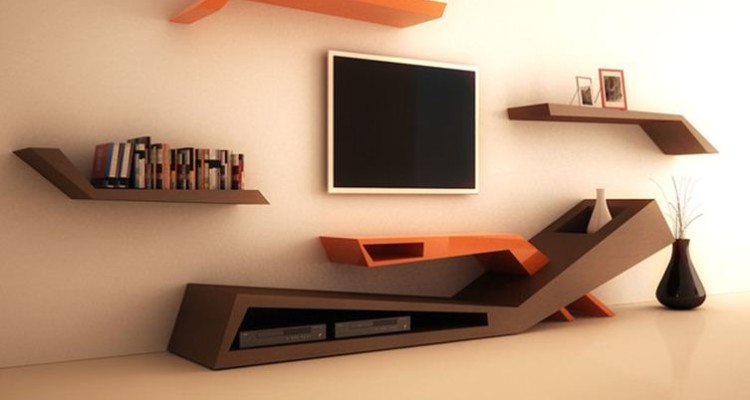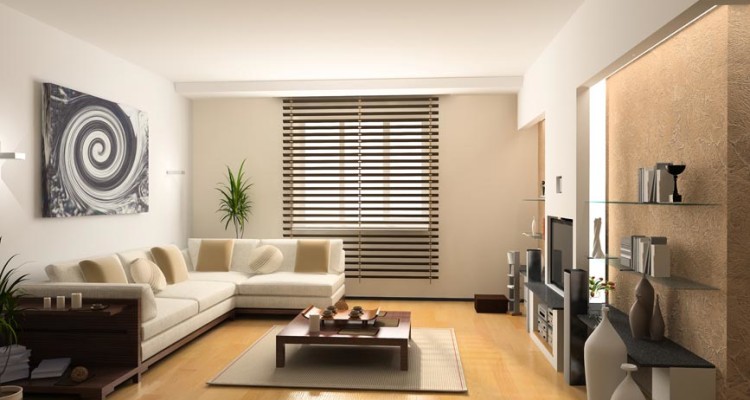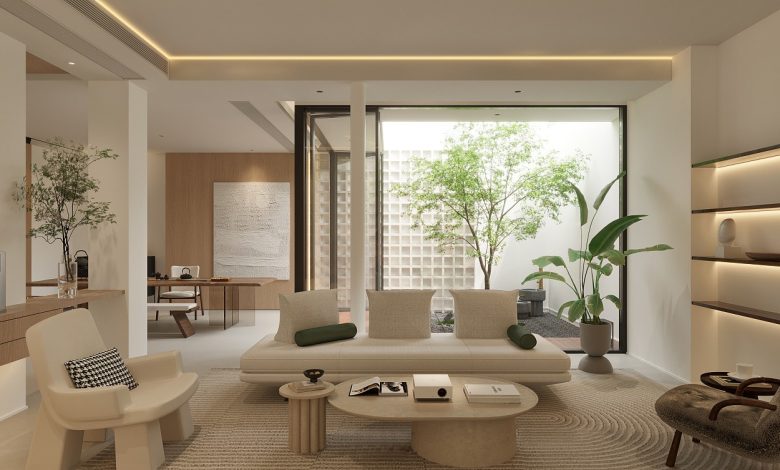
Minimalist interior design focuses on simplicity, functionality, and clean aesthetics. Instead of filling rooms with unnecessary décor or furniture, minimalist spaces highlight carefully chosen elements that create calm and balance.
Modern homeowners often embrace minimalist design because it helps create clutter-free environments, visually spacious rooms, and a peaceful living atmosphere. The ideas below can help you achieve a minimalist look while keeping your home stylish and comfortable.
Choose a Neutral Color Palette
Color plays a major role in minimalist design. Neutral tones create a calm visual environment and help highlight architectural features.
Common minimalist color choices include:
- White and off-white
- Soft gray
- Beige or sand tones
- Light wood finishes
A simple palette ensures the room feels bright, open, and cohesive.
Focus on Functional Furniture
Minimalist interiors prioritize quality over quantity. Instead of filling rooms with furniture, choose fewer pieces that serve clear purposes.
Look for furniture that offers:
- Clean lines and simple shapes
- Hidden storage compartments
- Multi-functional features
- Neutral upholstery and materials
This approach prevents overcrowding while maintaining comfort.
Declutter and Keep Surfaces Clear
A clutter-free environment is essential in minimalist design. Excess items can quickly disrupt the calm appearance of a room.
Helpful decluttering strategies include:
- Store rarely used items out of sight
- Keep countertops and tables mostly empty
- Use hidden storage such as cabinets and drawers
- Display only a few meaningful decorative objects
This allows the space to feel organized and visually relaxing.
Use Natural Materials
Natural materials bring warmth and texture to minimalist interiors without overwhelming the space.
Popular materials include:
- Wood
- Stone
- Linen fabrics
- Cotton textiles
- Ceramic décor pieces
Combining natural elements with neutral colors creates a balanced and inviting atmosphere.
Embrace Open Space
Minimalist homes often emphasize open layouts and breathable spaces.
Design ideas to achieve this include:
- Limiting bulky furniture
- Keeping walkways clear
- Using fewer but larger furniture pieces
- Avoiding overcrowded decorations
Open space allows natural light to flow freely and makes the home feel larger and more comfortable.
Add Subtle Decorative Elements
Minimalism does not mean eliminating all decoration. Instead, it focuses on carefully selected accents.
Examples include:
- A single large artwork
- Sculptural vases
- Simple wall décor
- A textured rug
These pieces add character while maintaining a clean and understated look.
Maximize Natural Light
Natural light enhances the simplicity and openness of minimalist interiors.
Ways to maximize light include:
- Using large windows or glass doors
- Choosing light curtains or sheer fabrics
- Keeping window areas uncluttered
- Using mirrors to reflect sunlight
Bright spaces naturally feel more open and welcoming.
Incorporate Indoor Plants
Plants introduce a natural touch that complements minimalist interiors beautifully.
Benefits of adding plants:
- Introduce color without visual clutter
- Improve indoor air quality
- Create a calming atmosphere
Popular minimalist plant choices include snake plants, monstera, and rubber plants.
Frequently Asked Questions (FAQs)
1. What defines minimalist interior design?
Minimalist design focuses on simplicity, clean lines, functional furniture, and uncluttered spaces.
2. Can minimalist homes still feel cozy?
Yes. Using natural materials, soft textures, warm lighting, and indoor plants can make minimalist spaces feel comfortable and welcoming.
3. Is minimalist design suitable for small homes?
Absolutely. Minimalist design works particularly well in small spaces because it reduces clutter and helps rooms feel more spacious and organized.
4. How many decorative items should a minimalist room have?
A minimalist room typically includes only a few carefully chosen decorative pieces to maintain simplicity.
5. Are bright colors allowed in minimalist design?
Yes, but they are usually used as small accent elements rather than dominant colors.
6. What type of furniture works best for minimalist homes?
Furniture with simple shapes, neutral colors, and multifunctional features fits best with minimalist interiors.
7. How do I start transforming my home into a minimalist space?
Begin by decluttering unnecessary items, choosing neutral colors, simplifying furniture arrangements, and focusing on functional design elements.