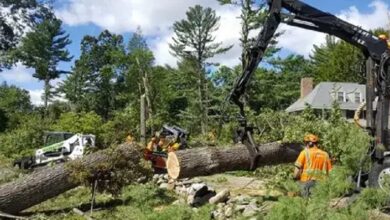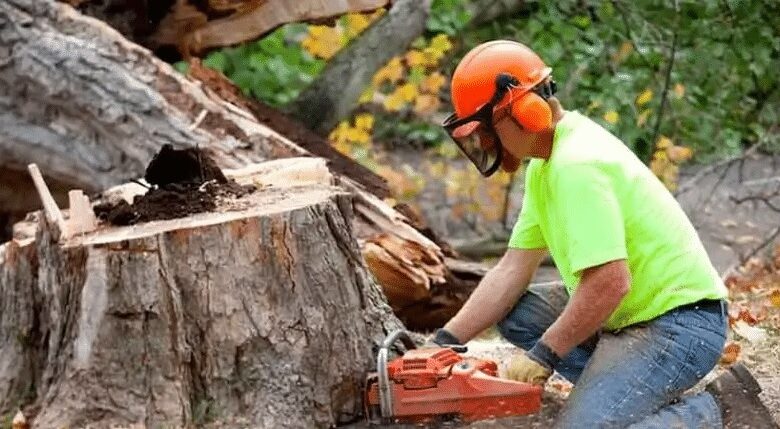
When a tree is removed from your property, the fate of its wood can take several paths, each with its own environmental and practical benefits. Understanding these options can help you make informed decisions about how to handle the wood, ensuring that it is disposed of responsibly or repurposed effectively.
1. Chipping for Mulch
One of the most common methods for handling tree wood is to chip it into mulch. This process involves shredding branches and smaller logs into small pieces, which can then be used as ground cover in gardens and landscapes. Mulch helps retain soil moisture, suppresses weeds, and adds organic matter to the soil as it decomposes. Many tree removal services offer chipping as part of their service, and some municipalities provide mulch to residents for free or at a minimal cost.
2. Firewood
If the tree is of a species suitable for burning, the wood can be cut into logs and seasoned for use as firewood. Hardwoods like oak, hickory, and maple are excellent for burning due to their density and heat output. Before using the wood as firewood, it should be properly seasoned—typically by splitting and allowing it to dry for several months—to ensure efficient and safe burning. It’s important to note that not all tree species are ideal for firewood; some may produce excessive smoke or creosote buildup, which can be hazardous.
3. Composting
Smaller branches and leaves can be composted to create nutrient-rich soil for gardens. Composting involves breaking down organic matter through microbial activity, resulting in humus that enhances soil fertility. To compost tree debris effectively, it’s advisable to shred or chip the material to accelerate decomposition. However, avoid composting large branches or logs, as they decompose slowly and may attract pests.
4. Donation or Sale
If the wood is of high quality, it may be suitable for use in furniture making, cabinetry, or other woodworking projects. Local woodworkers, carpenters, or woodworking schools might be interested in acquiring the wood. Before donating or selling, ensure the wood is free from pests and diseases, and be prepared to provide information about the tree’s species and condition.
5. Professional Disposal
For those who prefer not to handle the wood themselves, hiring a professional tree removal service can be a convenient option. These companies often have the equipment and expertise to manage the wood appropriately, whether it’s chipping, hauling it away, or arranging for recycling. While this option may incur additional costs, it ensures that the wood is disposed of responsibly and safely.
6. Recycling Facilities
Some recycling centers accept tree debris, processing it into products like mulch, compost, or even biofuel. Contact your local waste management facility to inquire about their policies regarding tree waste. Utilizing these services supports recycling efforts and reduces the amount of waste sent to landfills.
7. Burning on Site
In certain situations, burning the wood on-site can be an option. This method requires strict adherence to local regulations and safety protocols to prevent wildfires and air pollution. Before proceeding, check with local authorities to obtain necessary permits and ensure compliance with environmental laws. It’s also essential to monitor weather conditions, such as wind and humidity, to minimize risks.
8. Landfill Disposal
As a last resort, tree wood can be taken to a landfill. However, this option is less environmentally friendly, as it contributes to landfill mass and may not be the most sustainable choice. Many communities encourage recycling or repurposing tree debris to reduce environmental impact.
Considerations Before Disposal
Before deciding on a disposal method, consider the following:
- Tree Species: Certain species may be more suitable for specific uses. For example, some woods are better for burning, while others are ideal for woodworking projects.
- Condition of the Wood: Ensure the wood is free from pests, diseases, or chemicals that could pose risks to health or the environment.
- Local Regulations: Always check local laws and regulations regarding the disposal or repurposing of tree wood to ensure compliance and avoid potential fines.
- Environmental Impact: Opt for methods that minimize environmental harm, such as recycling or repurposing, over sending wood to landfills.
By thoughtfully considering these options and factors, you can determine the most appropriate and responsible course of action for the wood after a tree removal, contributing to environmental sustainability and potentially benefiting your property.