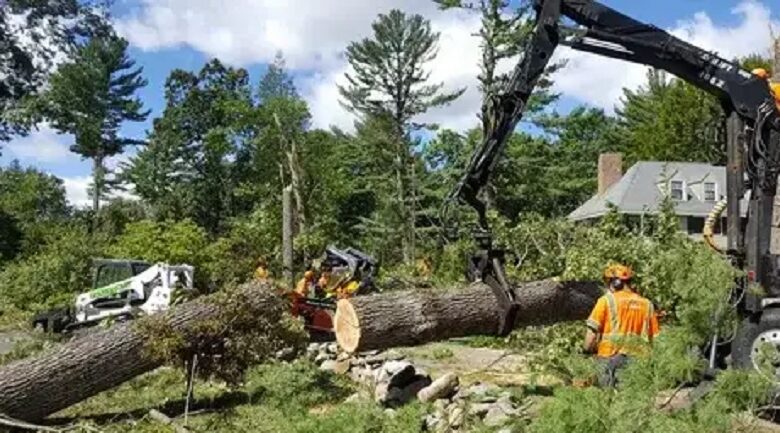
When it comes to maintaining a property’s value, many homeowners and real estate investors might overlook one crucial aspect: trees. While trees can certainly enhance the beauty and appeal of a property, tree removal, whether necessary or voluntary, can have a profound impact on property value. Understanding how the removal of trees affects property value requires consideration of various factors, including aesthetics, safety, maintenance, and long-term considerations.
Aesthetic Appeal
One of the primary reasons homeowners opt for tree removal is to improve the aesthetic appeal of their property. Overgrown or poorly placed trees can block light, obscure views, and dominate landscaping features. In some cases, a mature tree might simply be too large for its location, casting unwanted shade on gardens or other plants, making the space feel cramped and dark.
When trees are strategically removed, the open space created can bring out the best features of the property. New landscaping opportunities might emerge, allowing for a more visually balanced look. A well-maintained lawn, improved garden areas, or even the installation of smaller ornamental plants may replace large, unruly trees. For potential buyers, a neat and well-thought-out exterior can be a significant selling point. The aesthetic changes that follow tree removal may lead to a more attractive and marketable property, potentially increasing its appeal on the market.
However, it’s important to note that tree removal can also have the opposite effect if done without careful planning. A tree that provides character or gives a property a sense of age and charm could be detrimental if removed without consideration of the surrounding environment. The value of properties in more rural or wooded areas may also decrease when significant trees are removed, as the natural, serene atmosphere is a major draw for buyers.
Property Safety
Safety is another crucial aspect when evaluating the impact of tree removal. Over time, trees can become a hazard, especially if they are diseased or structurally compromised. Trees with weak or dead branches pose a risk during storms, high winds, or heavy snowfall. Additionally, trees growing too close to the home can interfere with roofs, gutters, and siding, leading to costly repairs.
In cases where a tree presents an imminent safety risk, removal is often a necessary decision. While this might initially seem like a loss, it can ultimately protect the property’s value by preventing more significant damage. Homeowners should prioritize safety when considering whether to remove a tree, as failure to do so could lead to significant financial repercussions. If a dangerous tree is left unchecked, it may lead to expensive repairs and negatively impact a property’s appeal to prospective buyers.
Furthermore, the presence of certain trees, such as large oak or pine trees, can also have an impact on the foundation of a property. Roots from these trees may grow into underground utilities or the foundation of a home, potentially causing significant structural issues. In this context, removing the tree may be seen as a positive step in maintaining or even increasing property value by avoiding future complications.
Property Maintenance
Tree maintenance can be time-consuming and costly. Homeowners with large trees may need to invest in regular pruning, fertilizing, and pest control to ensure the health and safety of the tree. Additionally, fallen leaves, branches, and debris can create a constant need for cleanup, which can detract from the overall cleanliness and appearance of the property.
Removing a tree can reduce the ongoing maintenance burden, saving homeowners time and money. This aspect of tree removal is particularly important for those looking to sell their property quickly. Buyers may be more inclined to purchase a property that requires minimal upkeep, particularly if the tree is positioned in a high-maintenance location. The added convenience of a low-maintenance landscape can make a property more attractive to certain buyers, ultimately boosting its market value.
On the other hand, removing a tree may also result in a property feeling less established or mature. In areas where mature trees are seen as a symbol of stability and longevity, removing a tree could lead potential buyers to question whether the property is as well cared for as it could be. In such cases, the perceived loss of a valuable natural asset might influence the property’s valuation in the opposite direction.
Environmental Impact and Local Ecosystem
The environmental effects of tree removal are another factor to consider. Trees play an important role in local ecosystems, providing habitats for wildlife, stabilizing soil, and improving air quality. In regions where environmental sustainability is a key selling point, removing trees without careful consideration can result in negative perceptions. Potential buyers who are environmentally conscious may view tree removal as an indication of disregard for the local ecosystem, which could lower their interest in the property.
Conversely, removing a tree for the purpose of enhancing the overall landscape—by planting more environmentally friendly species or addressing an invasive tree species—can be a positive for the property’s value. In this instance, careful planning and the introduction of more sustainable tree varieties can improve the long-term ecological balance of the property, making it more attractive to future buyers who value green spaces and sustainable practices.
Long-Term Value Considerations
In the long run, the impact of tree removal on property value depends on a range of factors, including the condition of the tree, the reason for removal, and the property’s overall market. In some cases, removing a tree might increase a property’s value, particularly if it allows for better use of the land, a more modern look, or improved safety. In other cases, removing a tree might lead to a decrease in value if it removes an essential feature that adds charm, privacy, or shade.
Ultimately, a thoughtful approach is key. Homeowners should carefully evaluate the reasons for tree removal and consider consulting with experts to ensure that the decision aligns with their long-term property goals. By doing so, tree removal can have a positive influence on the value of the property, whether through aesthetic improvements, reduced maintenance, or enhanced safety.
When handled with care, tree removal can be a transformative decision that enhances property value, making it more appealing to buyers while also ensuring the property remains safe, well-maintained, and environmentally balanced.