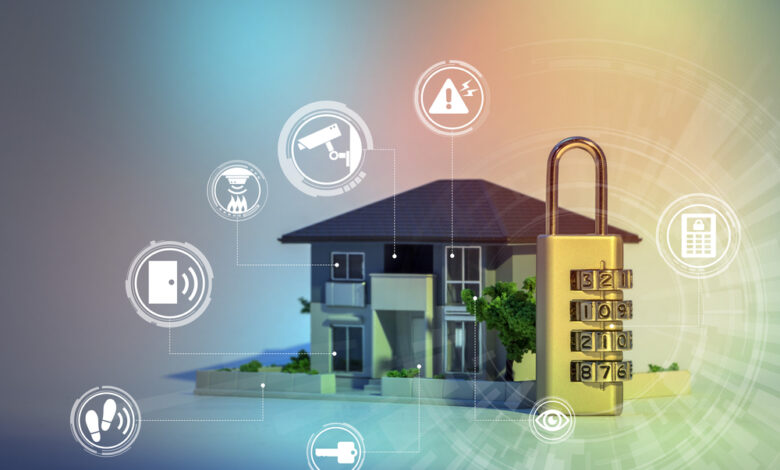
As the modern home becomes increasingly connected, network security has become one of the most crucial aspects of designing a smart home. While the convenience of controlling lights, thermostats, and appliances with a touch of a button offers undeniable benefits, it also opens up potential vulnerabilities. A weak network can leave your home exposed to cyberattacks, data breaches, and privacy risks. Ensuring robust network security is essential not only to protect your personal information but also to ensure the reliability and safety of your smart home system. This article explores why network security is vital in your smart home build and offers essential tips for safeguarding your connected devices.
1. The Rise of Connected Devices in Smart Homes
In a smart home, devices ranging from refrigerators and thermostats to cameras and door locks are all interconnected via the internet. These devices communicate with one another, sending and receiving data to enhance user experience and improve efficiency. However, this interconnectedness creates a larger attack surface for cybercriminals to exploit. Hackers may target vulnerable devices, seeking access to your personal information, video footage, or even control of your home’s security systems.
Given the number of devices in a smart home, each with its own vulnerabilities, it is crucial to implement strong network security measures to protect your entire system from intrusion. Without proper security, the convenience of a smart home can easily turn into a nightmare.
2. Protecting Personal Data from Breaches
Smart home devices often collect sensitive personal data, including voice commands, video footage, security alerts, and usage patterns. This information, if compromised, can expose you to identity theft or other forms of cybercrime. For instance, smart speakers such as Amazon Alexa or Google Assistant store voice recordings that may contain sensitive data like passwords or financial details. Similarly, security cameras and doorbell cameras store video footage that could be misused if accessed by unauthorized individuals.
By securing your home network, you limit the chances of unauthorized access to these devices and, consequently, reduce the risk of data breaches. Using strong encryption, updating device software regularly, and setting strong, unique passwords are essential steps in safeguarding your personal data.
3. Maintaining Device Integrity and Performance
Just as important as protecting your personal data is ensuring that your smart devices remain functional and reliable. Many smart home devices rely on real-time data to function properly—whether it’s adjusting the temperature in your home or unlocking your door when you arrive. A compromised network can disrupt the functioning of these devices, leading to malfunctions or even complete system failure.
For example, if a hacker gains control of your smart thermostat, they could change settings remotely, causing your heating or cooling system to fail. Similarly, compromised smart locks could allow unauthorized entry into your home. Protecting your home network ensures that all devices remain fully operational and under your control.
4. Preventing Unauthorized Access to Your Home Network
Your home network acts as the central hub that connects all your smart devices, and unauthorized access can lead to disastrous consequences. Once an intruder gains access to your network, they can potentially control every device connected to it, from surveillance cameras to smart locks. This could allow a hacker to spy on you, gain physical access to your home, or disrupt the operation of your devices.
To prevent unauthorized access, it’s essential to secure your network with the latest encryption protocols, such as WPA3, which offers stronger protection than its predecessors. Additionally, setting up a separate network for your smart devices—apart from your personal computer and mobile devices—can limit the damage in the event of a breach. This practice, known as network segmentation, ensures that if a device is compromised, it doesn’t jeopardize the entire network.
5. Securing Your Internet of Things (IoT) Devices
Many smart homes rely on IoT devices, which include everything from smart lighting and security cameras to smart appliances and voice assistants. IoT devices are often targeted because they are typically less secure than traditional computing devices, such as laptops and smartphones. Poorly secured IoT devices can be used as gateways for hackers to infiltrate your home network.
To enhance the security of your IoT devices, make sure they have the latest firmware updates and are set up with strong, unique passwords. Many devices come with default passwords that are easy to guess or crack, so changing these passwords should be one of the first steps after installation. Moreover, disabling unnecessary features, such as remote access or cloud storage, can help minimize the attack surface for potential hackers.
6. Use of Firewalls and Antivirus Protection
Incorporating firewalls and antivirus protection into your home network is another essential measure for safeguarding your smart devices. Firewalls act as barriers that filter incoming and outgoing traffic, blocking potentially harmful data packets from entering your network. They can prevent hackers from gaining unauthorized access or disrupting your devices.
Antivirus software, on the other hand, can detect and remove malicious software that might already have infiltrated your network. Both firewalls and antivirus programs should be kept up to date to stay ahead of emerging threats. With a properly configured firewall and robust antivirus protection, you can ensure that your home network is well-defended against cyber threats.
7. Regular Software Updates and Patches
One of the most effective ways to enhance network security is by regularly updating the software of your smart home devices. Manufacturers frequently release software updates that patch vulnerabilities and improve performance. Failure to update these devices leaves them susceptible to known exploits, which hackers can take advantage of.
Ensure that your smart devices are set to automatically update when a new firmware version is released. If automatic updates are not an option, make it a habit to check for updates regularly. This simple practice is one of the most effective ways to maintain security in your smart home.
8. Multi-Factor Authentication (MFA)
Multi-factor authentication (MFA) adds an additional layer of security by requiring more than just a password to access your devices. Typically, MFA involves something you know (your password), something you have (a smartphone app or authentication code), or something you are (fingerprint or face recognition). Enabling MFA on your smart home apps, Wi-Fi router, and individual devices can significantly reduce the likelihood of unauthorized access.
Many smart home platforms, such as Google Home or Amazon Alexa, offer MFA options for logging into their services. Make sure to enable these settings to protect your account and devices from potential intruders.
9. Monitor Network Traffic for Suspicious Activity
To stay proactive in securing your smart home, it’s important to monitor network traffic for any signs of suspicious activity. Many modern routers come with built-in monitoring features that allow you to view devices connected to your network, check their activity, and set alerts for unusual behavior.
If you notice unfamiliar devices on your network or unusual data spikes, this could be an indicator that someone is attempting to access your devices. Monitoring your network traffic regularly helps you identify potential security threats early and take action before any damage is done.
10. Secure Your Smart Home Hub
Your smart home hub, such as a smart speaker or a central control system, acts as the brain of your smart home. If compromised, it can provide hackers with control over multiple devices within your home. Securing your smart home hub is, therefore, one of the most important steps in protecting your smart home network.
Ensure that your hub uses strong encryption and password protection. Additionally, consider disabling features that are unnecessary for your use, such as voice purchasing or remote access, to minimize the risks of unauthorized access.
Final Remarks
Network security should be at the forefront of any smart home build. By securing your devices, network, and personal data, you not only protect yourself from cyberattacks but also ensure that your smart home functions as intended without compromise. With the right precautions—such as encryption, strong passwords, firewalls, and regular updates—you can enjoy the convenience and efficiency of a connected home while safeguarding your privacy and security.