An outdated or inefficient boiler can be a significant drain on your energy bills and environmental footprint. Upgrading your boiler to a more energy-efficient model or enhancing its current functionality can provide immediate benefits, including reduced energy costs and improved performance. This article will explore the key considerations, steps, and benefits of upgrading your boiler to achieve maximum efficiency.
Understanding Why an Upgrade is Necessary
Before diving into the process, it’s essential to recognize the importance of upgrading an inefficient boiler. Older models often require more energy to heat your home, leading to higher utility bills and increased carbon emissions. Moreover, outdated systems are more prone to breakdowns, costing you time and money on frequent repairs.
By upgrading, you ensure your heating system operates at peak performance, consuming less energy while delivering consistent warmth. A modern boiler isn’t just an appliance; it’s an investment in your home’s comfort and sustainability.
Assessing Your Current Boiler’s Performance
The first step in upgrading is evaluating your existing system. Look for signs that your boiler may be underperforming:
- Rising Energy Bills
If your heating costs are steadily increasing despite consistent usage, it may indicate inefficiency. Older boilers lose their ability to convert energy effectively, wasting fuel in the process. - Frequent Repairs
If your boiler requires frequent repairs or maintenance, it might be more cost-effective to invest in a new model rather than continuing to patch up an aging system. - Inconsistent Heating
Uneven heating throughout your home or radiators taking too long to warm up are signs that your boiler may be struggling to distribute heat efficiently. - Age of the Boiler
Most boilers have a lifespan of 10–15 years. If yours is approaching or exceeding this range, it’s likely time to consider an upgrade.
Choosing the Right Boiler for Energy Efficiency
When upgrading your boiler, selecting the right model is crucial. Here are the primary types to consider:
- Combi Boilers
Combi (combination) boilers are highly efficient as they provide both heating and hot water directly from the unit, eliminating the need for a separate water tank. They are ideal for smaller homes with moderate hot water demands. - System Boilers
System boilers work with a separate hot water cylinder, making them a great choice for households with higher hot water needs. They’re more efficient than older traditional boilers and take up less space. - Condensing Boilers
Condensing boilers are designed to recover heat that would typically be lost through the flue, making them highly energy-efficient. Most modern boilers are condensing by default, ensuring optimal performance.
When selecting a new boiler, check for an energy efficiency rating of at least 90% (A-rated) to ensure it meets modern standards.
Enhancing Your Boiler’s Efficiency Without Replacement
If a full replacement isn’t feasible, there are ways to improve your existing boiler’s performance:
- Install a Smart Thermostat
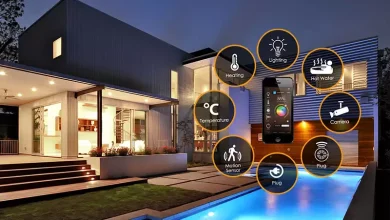
A smart thermostat allows you to control your boiler remotely, optimizing energy use by heating your home only when necessary. Features like learning routines and weather adjustments add convenience and efficiency. - Add TRVs (Thermostatic Radiator Valves)
TRVs enable you to control the temperature of individual rooms, ensuring that heat is directed where it’s needed most. This reduces wasted energy in unused spaces. - Powerflush the System
Over time, sludge and debris can accumulate in your boiler and radiators, reducing efficiency. A professional powerflush cleans the system, improving water flow and heat distribution. - Insulate Pipes and the Boiler Itself
Adding insulation to pipes and the boiler casing minimizes heat loss, helping the system retain energy and reducing the workload on your boiler. - Schedule Regular Servicing
Annual servicing by a qualified engineer keeps your boiler in top condition, identifying and addressing minor issues before they escalate into significant problems.
The Benefits of Upgrading
Upgrading your boiler offers a host of advantages beyond improved efficiency:
- Lower Energy Bills
A modern, high-efficiency boiler can significantly reduce your heating costs, providing long-term financial savings. - Reduced Carbon Footprint
Newer boilers use less fuel to produce the same amount of heat, lowering greenhouse gas emissions and making your home more environmentally friendly. - Improved Comfort
Modern boilers heat your home more quickly and evenly, ensuring a consistent and comfortable environment. - Enhanced Reliability
With advanced technology and fewer moving parts, modern boilers are less prone to breakdowns, giving you peace of mind during colder months. - Increased Property Value
Energy-efficient upgrades are a strong selling point for potential buyers, as they indicate lower operating costs and a more sustainable home.
Steps to Take When Upgrading
- Consult a Professional Engineer
A Gas Safe-registered engineer can assess your current system and recommend the most suitable upgrade options based on your home’s size and heating needs. - Research Rebates and Incentives
Many governments and utility companies offer rebates or incentives for upgrading to energy-efficient appliances. Investigating these options can offset initial costs. - Invest in Quality Installation
Even the best boiler won’t perform efficiently if it’s installed incorrectly. Choose a reputable engineer or company with a proven track record of high-quality installations. - Consider Long-Term Costs
While the upfront cost of a new boiler may seem significant, calculate the potential savings in energy bills and repairs over its lifespan. This perspective can help justify the investment.
Upgrading your boiler for maximum energy efficiency is a smart decision that enhances both comfort and savings. Whether through replacing an outdated model or enhancing your existing system, the benefits are clear and lasting. Take proactive steps today to ensure your home remains warm and efficient, no matter the weather.