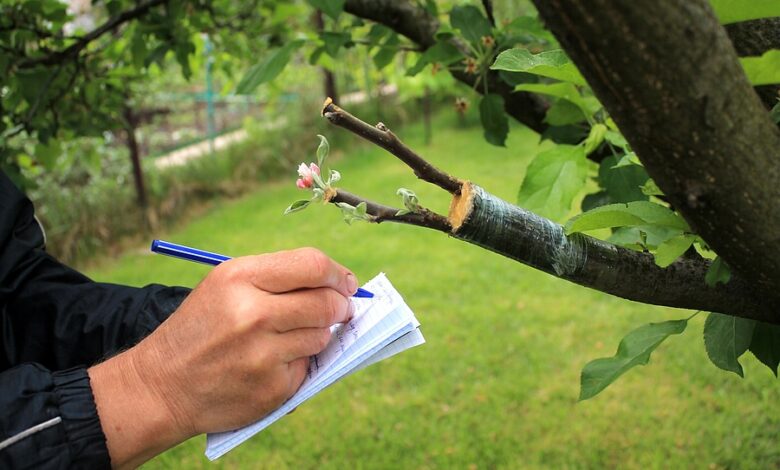
Trees are among the most valuable assets in any landscape, offering aesthetic charm, environmental benefits, and shade. However, their long-term health and stability require proper care, and this begins with regular tree inspections. A professional evaluation ensures that potential hazards are addressed, promotes healthy growth, and adds value to your property. Below, we explore the many benefits of consistent tree inspections and why they are a critical component of responsible property management.
Identifying Potential Safety Hazards
One of the primary reasons for scheduling regular tree inspections is to identify safety risks early. Trees can develop structural issues over time, such as cracks in trunks, dead branches, or weak root systems. These problems often go unnoticed by the untrained eye but can lead to severe consequences if left unaddressed.
Falling branches or an uprooted tree pose risks to people, buildings, vehicles, and public infrastructure. A professional inspection ensures that these hazards are spotted and addressed proactively, reducing the likelihood of accidents and liability claims.
Promoting Tree Health
Trees, like any living organism, can fall prey to diseases, pests, or environmental stressors. Early detection of these issues is crucial for effective treatment. Regular inspections allow arborists to diagnose problems such as fungal infections, insect infestations, or nutrient deficiencies before they compromise the tree’s health.
Proper care following an inspection—such as targeted pruning, pest management, or soil treatment—ensures that trees remain vibrant and healthy. A well-maintained tree not only enhances the beauty of your property but also contributes to a sustainable environment.
Protecting Property Value
Healthy, well-maintained trees significantly enhance property value, whether the property is residential or commercial. Conversely, poorly maintained trees can detract from a property’s appeal and even cause damage that lowers its marketability.
An inspection ensures that trees are free of visible and hidden issues, such as root overgrowth that can disrupt sidewalks or branches that may damage roofs. Regular evaluations also demonstrate to potential buyers or tenants that the property has been carefully maintained.
Ensuring Compliance with Local Regulations
Many municipalities have ordinances regarding tree care, especially in urban areas where overgrown branches or unstable trees can interfere with power lines, roads, or sidewalks. Property owners are often required to ensure that their trees meet these guidelines, and failure to comply can result in fines or penalties.
Routine inspections help property owners stay informed about local regulations and address potential compliance issues before they escalate. An arborist can provide recommendations tailored to these legal requirements, ensuring that your property remains in good standing.
Preventing Costly Repairs and Liabilities
Tree-related damage can be expensive, whether it involves repairing a building struck by a falling branch or addressing legal claims from injuries. Regular inspections are a cost-effective way to prevent these issues by addressing risks before they lead to accidents.
Additionally, documented inspections and maintenance activities can provide a layer of protection in the event of a dispute or insurance claim. These records demonstrate that you have taken reasonable steps to ensure the safety and health of your trees, which can be critical in mitigating liability.
Supporting Environmental Benefits
Trees play an essential role in improving air quality, reducing urban heat, and supporting biodiversity. Regular inspections contribute to these environmental benefits by ensuring that trees remain healthy and robust.
A well-maintained tree absorbs more carbon dioxide, provides greater shade, and supports local ecosystems by offering habitats for birds, insects, and other wildlife. By investing in regular care, property owners contribute to the broader goal of environmental stewardship.
Tailoring Maintenance to Seasonal Needs
Different seasons present unique challenges for tree care. For instance, heavy rainfall may saturate the soil and weaken root systems, while winter storms can cause branches to become brittle and prone to breakage.
Regular inspections allow arborists to tailor their recommendations to seasonal needs, ensuring that trees are prepared for upcoming weather conditions. This proactive approach minimizes the risk of damage and ensures that trees thrive year-round.
Enhancing the Property’s Appearance
A property with well-maintained trees exudes charm and elegance. Regular inspections ensure that trees are pruned for optimal shape and appearance while removing unsightly deadwood or damaged branches.
Healthy trees provide a polished look that enhances curb appeal, whether for a private residence, a commercial property, or a public space. This visual impact is not only aesthetically pleasing but also fosters a sense of pride in property ownership.
Choosing the Right Professionals for Tree Inspections
While regular inspections are essential, their effectiveness depends on the expertise of the professional conducting them. Certified arborists bring knowledge and experience to the task, allowing them to identify subtle issues that others might overlook.
When selecting a tree service provider, ensure they have relevant certifications, liability insurance, and a reputation for high-quality work. Transparency in communication and clear service plans are also essential to achieving the desired outcomes.
Regular tree inspections are a cornerstone of responsible property management. They safeguard safety, promote health, protect property value, and ensure compliance with regulations. By committing to routine care, property owners create a lasting legacy of beautiful, thriving trees that contribute to both the landscape and the environment.