Upgrading an old home heater is a smart move, especially when you consider the potential savings on energy bills and the improved comfort it can bring to your home. An outdated heating system can be inefficient, leading to higher energy consumption and unnecessary costs. Fortunately, there are several ways to modernize your heating setup to maximize efficiency, reduce energy consumption, and ensure your home stays warm during the coldest months. In this article, we will explore how to upgrade your old home heater for better energy savings, outlining the most effective strategies and solutions.
1. Replace Your Old Furnace with a High-Efficiency Model
One of the most effective upgrades you can make is replacing your old furnace with a high-efficiency model. Older furnaces typically have an efficiency rating (AFUE) of around 60-70%, meaning they waste a significant amount of energy. Modern high-efficiency furnaces, however, can have AFUE ratings of 90% or higher, which translates to much less wasted energy and a more consistent level of heat in your home.
When shopping for a new furnace, look for models with advanced features like variable-speed blowers, which adjust airflow based on your home’s heating needs, and two-stage or modulating burners, which help reduce energy consumption by operating at lower capacity when full heat isn’t needed. Additionally, many energy-efficient furnaces are designed to be quieter and produce fewer emissions, improving both your comfort and the environment.
2. Install a Programmable Thermostat
A programmable thermostat is one of the simplest and most cost-effective ways to improve your home’s heating efficiency. These devices allow you to set specific temperature schedules for different times of the day, ensuring your heating system isn’t running unnecessarily when you’re away or asleep. By programming your thermostat to lower the temperature when you don’t need heat and raising it before you come home, you can save a significant amount on your energy bills.
For even greater control, consider upgrading to a smart thermostat, which can learn your preferences and adjust the temperature automatically. Many smart thermostats can be controlled remotely through a smartphone app, giving you the flexibility to adjust settings from anywhere. This feature is particularly useful for ensuring your home is warm when you arrive without wasting energy while you’re away.
3. Seal Leaks and Insulate Your Home
A major factor contributing to heating inefficiency is the loss of heat through gaps, cracks, and poorly insulated areas in your home. When your heater is working harder to compensate for this heat loss, it consumes more energy. To upgrade your heating system’s effectiveness, ensure your home is properly sealed and insulated.
Start by inspecting doors and windows for any gaps or drafts. Weatherstripping and caulking are inexpensive solutions that can significantly reduce heat loss. Also, make sure your attic and walls are well-insulated to prevent heat from escaping. Insulation in key areas such as the attic, basement, and walls will ensure that your heater doesn’t have to work overtime to maintain a comfortable temperature.
In addition, consider adding insulation to your ducts if they’re located in unconditioned spaces like attics or basements. Insulated ducts help maintain the temperature of the air traveling through them, preventing heat loss and improving the overall efficiency of your heating system.
4. Consider Zoning Systems for Better Control
In large homes, heating each room to the same temperature can be inefficient, especially if you don’t use every room consistently. A zoning system allows you to divide your home into different heating zones, so you can control the temperature in each area independently. This setup ensures that rooms that aren’t in use don’t get heated unnecessarily, saving energy while still providing comfort where you need it.
Zoning systems can be integrated with your existing furnace or paired with a ductless mini-split heat pump system, which allows for individual temperature control in each room without requiring ductwork. This can be especially beneficial in homes with open floor plans, as it provides more precise control over how heat is distributed throughout your living space.
5. Upgrade Your Heater’s Filter Regularly
Changing your heater’s air filter regularly is a simple yet effective way to ensure it runs efficiently. A clogged or dirty filter can restrict airflow, causing your heating system to work harder to warm your home, which leads to increased energy consumption. Depending on the type of filter you have, it is recommended to replace it every 1-3 months to maintain proper airflow and efficiency.
In addition to replacing filters, consider upgrading to a higher-quality, high-efficiency filter that can trap smaller particles, improving indoor air quality while enhancing the performance of your heater. This small change can make a big difference in the longevity of your system and reduce the strain on your heater.
6. Maintain Your Heating System with Regular Service
Regular maintenance is key to keeping your heating system operating at its best. A professional heating technician can inspect and service your system to ensure it’s running efficiently. During a maintenance visit, the technician will clean key components, check for leaks, inspect the burner and heat exchanger, and ensure that the system is operating at peak efficiency.
Scheduled maintenance also allows for early detection of potential issues that could affect the performance of your heater, such as worn-out parts or buildup in the combustion chamber. Addressing these problems early can help extend the lifespan of your heating system and prevent costly repairs down the line. Additionally, many heating systems come with warranties that require regular maintenance to stay valid, so having your heater serviced regularly can protect your investment.
7. Consider Alternative Heating Solutions
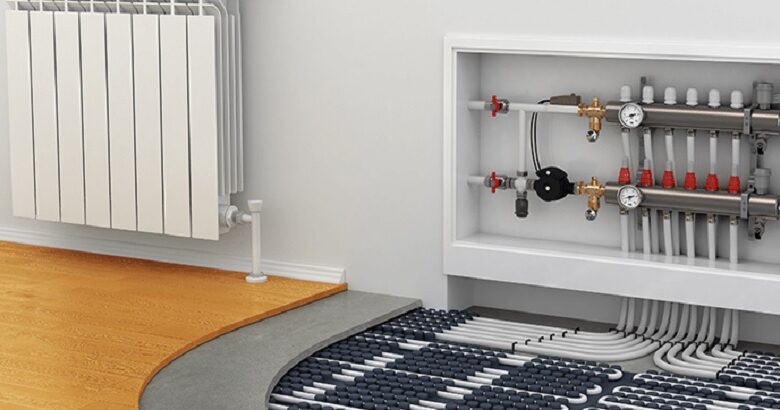
If your old heating system is particularly outdated, it may be worth considering alternative heating options. For instance, radiant floor heating is an energy-efficient alternative to forced-air heating systems, as it warms the room evenly from the ground up and doesn’t waste energy by heating unoccupied spaces.
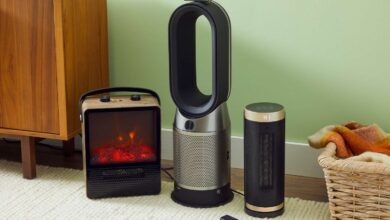
Another option is the installation of a heat pump, which can both heat and cool your home. Heat pumps are highly efficient, transferring heat instead of generating it, which allows them to use less energy than traditional electric or gas heaters. For smaller homes or rooms, portable electric heaters can also be effective for providing additional warmth without the need to rely on a central system.
8. Consider Solar Heating Solutions
For those looking to take their energy savings to the next level, solar heating systems can be a great option. Solar water heaters and solar air heating systems can provide supplementary heat for your home, reducing reliance on your primary heating system. While the initial cost of installation can be higher, solar heating systems can result in significant savings over time, especially in sunny regions.
Solar heating works by collecting energy from the sun and using it to either heat water for your heating system or warm air directly within your home. By pairing solar heating with an energy-efficient central heating system, you can drastically reduce your utility bills and lower your carbon footprint.
Final Thoughts
Upgrading your old home heater for energy savings is a smart and effective way to ensure comfort and reduce long-term heating costs. Whether you choose to replace your old furnace with a high-efficiency model, install a programmable thermostat, or improve your home’s insulation, each of these upgrades can help you achieve a more energy-efficient heating system. With the right combination of improvements and regular maintenance, you can enjoy a warm, comfortable home while saving money on your energy bills.