Designing a kitchen involves a delicate balance between functionality and style, and selecting the right countertops to match your flooring is one of the most impactful choices. When countertops and floors harmonize, they create a cohesive and inviting look that elevates the entire kitchen space. Whether you’re updating your kitchen or designing from scratch, here’s a detailed guide on how to choose countertops that perfectly complement your kitchen flooring.
1. Understand Your Kitchen’s Style and Color Scheme
Before selecting materials, colors, and finishes, it’s essential to understand the style you want for your kitchen. The look you’re aiming for can significantly impact your choice of countertop and flooring combinations. For example:
- Modern Kitchens often benefit from clean lines, contrasting colors, and sleek finishes, which make materials like quartz, marble, and polished concrete excellent options for countertops.
- Rustic or Farmhouse Kitchens lean toward natural textures and earthy tones, so butcher block or stone countertops paired with warm, wood-look or stone flooring can create a harmonious feel.
- Transitional Kitchens merge traditional and modern elements, allowing for versatility in countertop materials and colors.
Consider your overall kitchen color palette. Think about whether you want countertops and flooring to blend seamlessly or to create a striking contrast. By establishing a style and color scheme from the outset, you can confidently choose materials that not only complement each other but also enhance the overall ambiance.
2. Balance Colors with Intentional Contrast or Harmony
The color relationship between countertops and flooring is key to achieving a balanced look. Here are two main approaches:
- Create Contrast: Choosing contrasting colors can help define each element and add visual interest. For instance, dark countertops paired with light flooring (or vice versa) can give the kitchen a grounded, dynamic appearance. Contrast works particularly well in modern kitchens, where bold lines and clear separations add to the aesthetic.
- Aim for Harmony: If a serene and unified look is what you’re after, consider coordinating the colors of your countertops and floors. Opt for shades within the same color family, such as light gray countertops with light ash flooring or beige countertops with sandy-toned tiles. This approach helps create a sense of flow and spaciousness, making the kitchen feel cohesive and inviting.
When considering color, don’t overlook the importance of undertones. For example, cool-toned gray floors can pair beautifully with cool-toned marble countertops, while warm-toned wood floors work well with countertops in similar warm shades.
3. Factor in the Material’s Texture and Finish
Texture and finish add depth and interest to both countertops and flooring, contributing to the overall aesthetic of the kitchen. Here’s how to make textures work together:
- Smooth with Rough: Combining smooth countertops with textured flooring can provide a balanced look that’s both sophisticated and visually engaging. For example, polished granite countertops paired with textured ceramic or stone tile flooring create a pleasing contrast.
- Matte with Gloss: Mixing matte and glossy surfaces can make each material stand out. If you have glossy, polished countertops, consider matte or lightly textured flooring to add warmth and dimension. Conversely, matte countertops pair well with high-sheen floors for a balanced yet elegant aesthetic.
- Natural Textures: If you prefer a more rustic or organic look, choose materials with natural textures, such as wood-look flooring and stone countertops. These materials bring an earthy quality to the kitchen, enhancing its warmth and authenticity.
By carefully selecting textures, you can subtly enhance the harmony or contrast between your countertops and flooring without overpowering the space.
4. Consider Practicality and Durability for Each Surface
Both countertops and flooring must withstand daily wear and tear in the kitchen, so it’s essential to choose materials suited to the demands of your lifestyle.
- Countertops: Quartz, granite, and solid surface materials are highly durable and easy to clean, making them excellent choices for high-traffic kitchens. Marble, while beautiful, is more porous and can be prone to staining, so it may be best for kitchens with lighter use. Butcher block adds warmth but requires regular maintenance to prevent damage.
- Flooring: Hardwood floors add warmth and complement many countertop materials, though they require careful maintenance in a kitchen environment. Tile is durable and water-resistant, making it a popular choice, and comes in various styles to suit different aesthetics. Laminate and vinyl flooring are also budget-friendly, easy to clean, and available in a range of designs that mimic more expensive materials.
Pair durable materials with materials of similar endurance to keep a balanced look over time. For example, if you have resilient quartz countertops, pair them with durable tile or stone flooring to ensure that both surfaces age gracefully and maintain their appeal.
5. Mix Patterns with Care
Patterns can add personality and sophistication to a kitchen, but too many can create visual clutter. When mixing patterns between countertops and floors, strive for balance.
- Statement Countertops with Subtle Floors: If your countertop has a bold pattern, such as granite with dramatic veining or quartz with unique swirls, consider a more understated flooring option to avoid competing visuals. Solid or lightly textured floors allow the countertop to shine without overwhelming the space.
- Patterned Floors with Simple Countertops: If you have patterned flooring, such as decorative tiles or wood planks with strong grain patterns, keep the countertop design simple. Solid or lightly veined countertops can add refinement without detracting from the beauty of the floor.
If you love patterns but want to keep a balanced look, select countertops and floors with complementary but not identical designs. For instance, if you choose a subtly veined countertop, you might pick a floor with a restrained pattern in a similar tone.
6. Explore Timeless Material Combinations
Certain material combinations have timeless appeal, making them ideal for kitchens that balance modern functionality with classic style. Here are some enduring pairings:
- Marble and Wood: The soft elegance of marble countertops paired with the warmth of wood floors creates a look that’s both refined and inviting. This pairing works especially well in transitional or traditional kitchen designs.
- Quartz and Tile: Quartz countertops in neutral tones paired with durable tile flooring offer versatility, allowing you to experiment with different colors and textures. This combination is highly customizable, giving you the flexibility to update the kitchen’s color palette over time.
- Granite and Slate: Both granite and slate have natural, earthy qualities that work well together, making them ideal for rustic or industrial-inspired kitchens. The textures and patterns in these materials add depth and visual interest, creating a grounded and sophisticated atmosphere.
By choosing timeless materials, you’ll create a kitchen that not only suits current trends but also maintains its appeal for years to come.
7. Lighting: The Final Touch for Countertop and Flooring Harmony
The way your kitchen is lit can enhance or alter the appearance of your countertops and flooring, making lighting a vital consideration when selecting materials. Different types of lighting—natural, task, and ambient—can change how the colors and textures of these surfaces are perceived.
- Natural Light: Natural light emphasizes the authentic tones and textures in materials, making wood and stone surfaces look more vibrant. If your kitchen has ample natural light, choose materials with textures and patterns that come to life under natural sunlight.
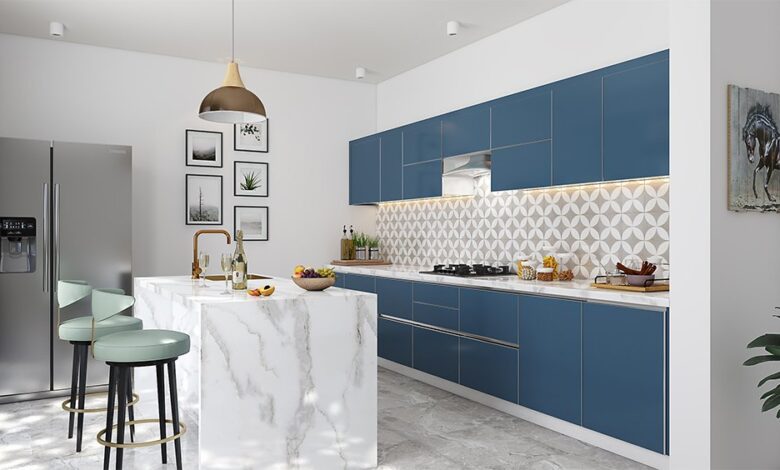
- Task Lighting: Task lighting, such as under-cabinet lighting, can highlight specific areas of the countertop and accentuate its texture or pattern. If your countertop has beautiful veining or a rich finish, strategic lighting can showcase these details.
- Warm vs. Cool Lighting: Warm lighting enhances wood tones and complements earthy or rustic designs, while cool lighting can bring out the subtle shades in quartz, marble, or concrete. Choose lighting that enhances the color and style of your countertops and floors, ensuring a harmonious blend that brings out the best in both materials.
Designing a Kitchen That Blends Beauty with Function
When countertops and floors complement each other in color, texture, and durability, the kitchen takes on a cohesive look that feels both stylish and functional. By taking into account your kitchen’s style, desired color scheme, and practical needs, you’ll be able to choose countertop and flooring combinations that not only enhance the visual appeal of your kitchen but also add to its comfort and usability. With a well-coordinated approach, you’ll create a kitchen that is both timeless and tailored to your taste.