A well-built fence serves a variety of purposes—defining boundaries, ensuring privacy, adding curb appeal, and enhancing security. However, maintaining a traditional fence can sometimes become a chore, especially if you have to regularly repaint, seal, or replace weathered materials. For homeowners who prefer functionality without the constant upkeep, building a low-maintenance fence is an ideal solution. Fortunately, there are numerous fencing materials and design techniques that can reduce the time and effort required to keep your fence looking its best.
If you are ready to build a fence that combines durability, beauty, and minimal maintenance, this guide will take you through the necessary steps.
1. Choosing the Right Materials
The foundation of a low-maintenance fence lies in selecting the right materials. The right material can significantly reduce the time and resources you spend on upkeep. Here are a few popular options:
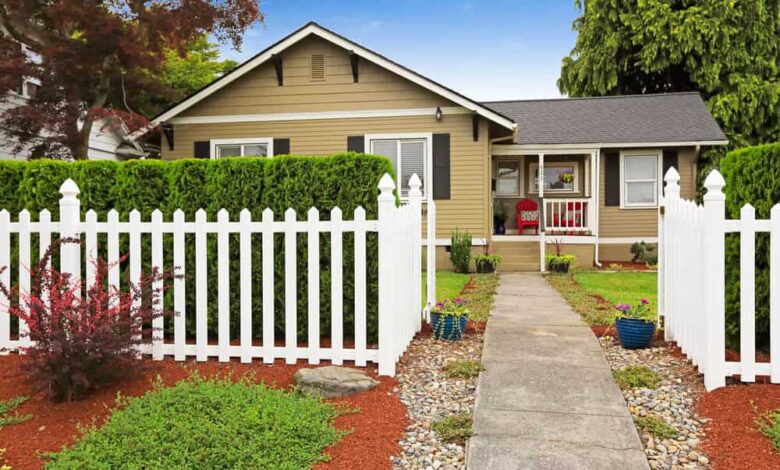
- Vinyl Fencing: Vinyl is a popular choice for low-maintenance fences. Unlike wood, which can warp, rot, or require frequent painting, vinyl fences are durable, resistant to weather, and retain their appearance for years. They come in a variety of styles, from traditional to modern, and don’t need staining or sealing. Cleaning is as simple as spraying with a hose or wiping down with soap and water.
- Composite Fencing: Composite materials combine wood fibers and plastic, making them highly resistant to rotting, fading, and warping. They offer the natural look of wood without the frequent maintenance, such as sanding or sealing. Composite fences are designed to withstand the elements and often come with warranties that assure longevity.
- Metal Fencing: Metal fences, such as aluminum or steel, are another excellent choice for low-maintenance fencing. Aluminum, in particular, is rust-resistant and does not require painting. Unlike wrought iron, it doesn’t need to be repainted to maintain its appearance. Steel fences can be treated for added resistance to rust and are also durable against the elements.
- Cedar or Red Cedar Fencing: If you prefer a natural wooden fence, cedar or red cedar are fantastic options. While they may require occasional cleaning or sealing, they are naturally resistant to insects, moisture, and decay. When maintained properly, they can outlast other types of wood. You can also choose to allow the wood to weather to a silvery gray, which can be a low-maintenance aesthetic in itself.
2. Designing for Durability
The design of your fence also plays an important role in how much maintenance it will require. A fence that is well-designed will be easier to maintain and more resistant to wear and tear.
- Avoiding Direct Ground Contact: The base of your fence is one of the most vulnerable areas, as moisture from the ground can cause materials like wood to rot. Ensure that your fence posts are set at least a few inches above ground level and use concrete to secure them in place. This will prevent the bottom of the posts from absorbing water, which can lead to decay.
- Spacing and Ventilation: To allow for proper ventilation and prevent the build-up of moisture and mildew, leave enough space between the bottom of your fence and the ground. Additionally, if you’re using wood, be sure to allow for air circulation between the planks to prevent water from getting trapped, which can cause rot and warping.
- Simple, Clean Lines: Fences with fewer intricate elements tend to be more durable and easier to maintain. Opt for a clean, straightforward design that avoids excessive decoration or detailing. Less surface area means less room for dirt, leaves, and debris to accumulate. It also minimizes the chance of small components, such as decorative posts or finials, breaking or wearing down.
3. Installation Tips for Longevity
Even with low-maintenance materials, the way you install your fence plays a key role in its durability. Here are some important installation considerations:
- Use High-Quality Posts: The strength and longevity of a fence depend largely on the integrity of its posts. Using strong, treated materials like pressure-treated wood, vinyl, or metal posts can help ensure that the fence stays upright for years without sagging or leaning.
- Secure the Posts Properly: Ensure that the posts are properly anchored in concrete to prevent movement over time. A firm foundation is essential, especially in areas with heavy winds or shifting soil. Proper post installation will minimize the need for adjustments in the future.
- Allow for Expansion and Contraction: Materials like wood and vinyl can expand and contract due to changes in weather. Make sure to account for this in your installation by leaving enough space for the materials to expand in warmer months and contract in cooler weather.
4. Maintenance-Free Coating Options
While no fence is completely maintenance-free, some protective coatings can dramatically reduce the amount of upkeep. Consider applying one of these treatments to your low-maintenance fence:
- Sealants for Wood: If you’re using wood, a sealant can protect the surface from the elements. It’s important to use a high-quality, UV-resistant sealant that repels moisture and prevents discoloration. While wood still requires occasional sealing, this step will drastically extend the lifespan of the material.
- Powder-Coating for Metal Fences: Metal fences can benefit from powder coating, which provides a durable, smooth finish that resists chipping and fading. Powder-coated fences are far less prone to rust than untreated metal, making them an ideal choice for low-maintenance metal fences.
- Self-Cleaning Surfaces for Vinyl and Composite: Many vinyl and composite fences are treated with self-cleaning coatings that resist dirt build-up. These coatings help reduce the frequency of cleaning and keep your fence looking pristine with minimal effort.
5. Regular Cleaning to Maintain Appeal
Even low-maintenance fences benefit from regular cleaning to preserve their appearance and performance. Fortunately, cleaning these types of fences is relatively easy and doesn’t require harsh chemicals or heavy scrubbing.
- Vinyl and Composite Fences: Simply hose down these fences to remove dirt and debris. If necessary, use a mild detergent and a soft cloth to remove stains. Avoid abrasive cleaning tools that could scratch the surface.
- Wood Fences: A wood fence may require occasional power washing to remove accumulated dirt and grime. If you’re using a sealant, ensure that the wood is fully dry before reapplying it to prevent trapping moisture beneath the sealant.
- Metal Fences: For metal fences, remove dirt and debris with a gentle brush or cloth, and wipe the surface with a mild detergent. If your metal fence has started to show signs of rust, gently sand and repaint the affected areas with a rust-resistant paint.
6. Choosing Professional Installation for Best Results
While installing a low-maintenance fence yourself is possible, enlisting professional help can ensure that your fence is built correctly from the start. Professional installers will have the experience, tools, and knowledge to properly secure posts, align panels, and install gates, which can prevent long-term issues and reduce the need for repairs or maintenance in the future.
Additionally, many fencing companies offer warranties on their installations, so you can rest assured that any defects or issues that arise will be addressed without additional cost.
Conclusion
A low-maintenance fence is the perfect solution for homeowners who want a beautiful, functional fence without the constant upkeep. By selecting the right materials, ensuring proper installation, and incorporating smart design choices, you can build a fence that will last for many years with minimal effort on your part. Whether you opt for a vinyl, composite, or metal fence, the key is to choose the right combination of materials and maintenance practices to keep your home secure and stylish while reducing time spent on upkeep.