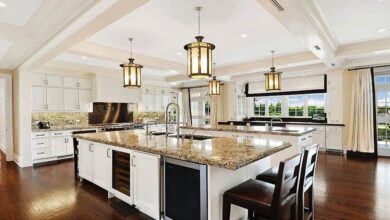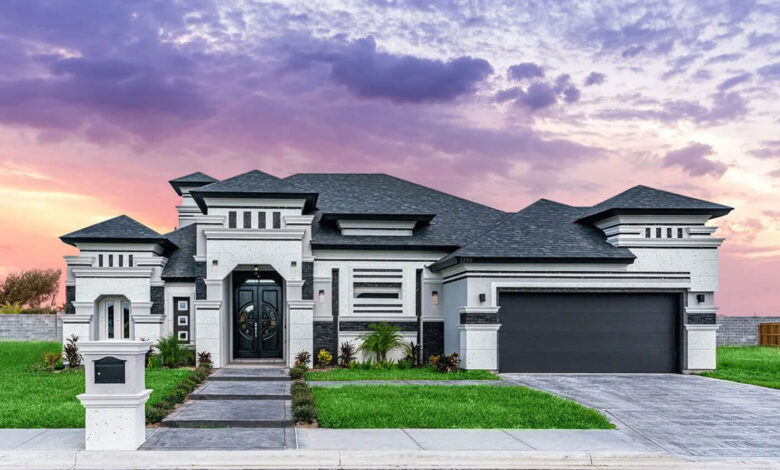
When designing a custom home, one of the most exciting yet challenging aspects is deciding on the style that will best reflect your personality, preferences, and lifestyle. With a range of design styles to choose from, it can be difficult to narrow down the right option that will work with your vision, budget, and space. Whether you’re drawn to the charm of a traditional design or the sleek lines of modern aesthetics, it’s crucial to consider various factors to make an informed decision. Here’s a comprehensive guide on how to choose the right custom home design style for you.
1. Understand Your Personal Preferences
The first step in choosing a custom home design style is reflecting on your personal tastes and preferences. A custom home is your opportunity to create a space that resonates with your individual style, so it’s essential to explore different designs to understand what appeals to you most. Start by collecting inspiration from magazines, websites, or home tours to identify key features that stand out to you, whether it’s the warm charm of a rustic farmhouse, the simplicity of Scandinavian minimalism, or the boldness of contemporary architecture.
Think about how each style makes you feel—some designs may evoke feelings of calm and serenity, while others may bring a sense of energy or sophistication. Understanding your emotional connection to various design styles can help guide your decision-making process.
2. Consider Your Lifestyle Needs
Your lifestyle plays a significant role in the type of design style that will best suit your needs. A family-oriented home may prioritize spacious living areas, safety features, and easy access to outdoor spaces, while a minimalist couple may value open floor plans and clutter-free interiors. Think about how you live day to day and what aspects of your home will make life more comfortable.
For example, if you love hosting family gatherings, a home with large communal areas and a well-designed kitchen might appeal to you. If privacy is essential, you may want to consider a design that incorporates separate spaces, like a wing for the master suite or soundproofing between rooms. By aligning your home design with your daily routines, you ensure that your custom home becomes a practical space that complements how you live.
3. Assess the Local Climate and Environment
The geographical location of your home has a significant impact on the type of design that will be most functional and sustainable. A home built in a coastal area, for instance, may benefit from the airy, open layout typical of beach-style homes, featuring large windows to capture the sea breeze and maximize natural light. On the other hand, a mountain retreat might call for a design style that emphasizes insulation, with materials like stone and wood to harmonize with the rugged landscape.
It’s important to select a design style that works well with your environment in terms of both aesthetics and energy efficiency. Consider factors like weather patterns, seasonal changes, and even the materials readily available in your region. Not only will this ensure your home is comfortable year-round, but it will also help reduce long-term maintenance costs.
4. Explore Different Home Design Styles
There are countless design styles to choose from, and each offers its own distinct charm. Understanding these styles and how they can be adapted to your specific needs will give you a clearer sense of what might work best for you. Here are a few popular custom home design styles to consider:
- Traditional: Known for its timeless appeal, traditional design incorporates elements like symmetrical layouts, ornate moldings, and formal living spaces. It often blends classic materials such as brick, wood, and stone, creating a warm and inviting atmosphere.
- Modern: Sleek lines, open spaces, and a minimalist aesthetic define the modern design style. With an emphasis on simplicity, modern homes feature large windows, clean edges, and an open floor plan to create a sense of light and airiness.
- Farmhouse: The farmhouse style is perfect for those who love a rustic and cozy atmosphere. With its combination of wood, metal, and vintage-inspired furnishings, a farmhouse home evokes a sense of warmth and simplicity. Features like large porches and open shelving contribute to its welcoming and functional appeal.
- Contemporary: This style is constantly evolving, incorporating elements from various design trends. It focuses on functionality and clean lines while using modern materials like concrete, glass, and steel. Contemporary homes tend to have large windows and integrate outdoor spaces to blur the lines between inside and outside.
- Mediterranean: Inspired by the coastal regions of Southern Europe, Mediterranean homes are known for their stucco exteriors, red-tiled roofs, and arched doorways. These homes often feature courtyards, expansive patios, and an abundance of natural light.
By researching different styles, you can create a shortlist of options that align with your tastes and needs.
5. Set a Budget for Your Custom Home
Once you’ve narrowed down your design preferences, it’s time to consider your budget. Some design styles may require more expensive materials or specialized craftsmanship, while others are more cost-effective. Modern designs, for example, often involve a sleek, streamlined aesthetic that can be achieved with a relatively straightforward material palette. On the other hand, traditional designs may require intricate detailing and higher-end finishes, which could increase construction costs.
When selecting a style, make sure to consider not only the upfront costs but also the long-term maintenance. Some design elements, such as intricate moldings or high-maintenance materials, may require more upkeep over time. It’s important to select a style that fits both your immediate budget and your long-term financial plans.
6. Work with Experienced Designers and Architects
Choosing the right design for your custom home can be a complex process, and it’s essential to work with professionals who can guide you through the selection process. Experienced designers and architects can help you interpret your ideas and bring your vision to life while ensuring that the style you choose is practical and feasible.
Professionals can also help you identify areas where you can save costs without sacrificing style. For instance, they may suggest materials that offer the same aesthetic appeal as high-end options but are more budget-friendly. Working with experts ensures that your home design is well-balanced and suited to your needs.
7. Think About Future Flexibility
While it’s important to choose a design style that works for your current needs, you should also consider how flexible the design will be in the future. Your family dynamics, personal tastes, and lifestyle may change over time, and it’s crucial that your custom home can adapt accordingly.
Think about incorporating flexible spaces that can serve multiple purposes. For example, a home office can easily transition into a guest bedroom, or an open-plan living room can be divided with sliding doors to create separate spaces when needed. By designing with future flexibility in mind, your home will continue to suit your needs as they evolve.
Conclusion
Selecting the right custom home design style is an exciting process, but it requires careful consideration of your personal preferences, lifestyle, budget, and the environment. By reflecting on what matters most to you—whether it’s aesthetics, functionality, or long-term flexibility—you can create a home that perfectly aligns with your needs and tastes. With the help of professionals and thorough research, your dream home will be a true expression of your personality and a place where you can comfortably live for years to come.