Heating your home efficiently is essential for comfort and cost management, especially during colder months. With various types of home heaters available, understanding their energy consumption is key to making an informed decision. From traditional systems to modern innovations, each heater type brings unique features and performance characteristics. This article delves into the energy consumption of popular home heater types to help you select the best option for your needs.
1. Central Heating Systems
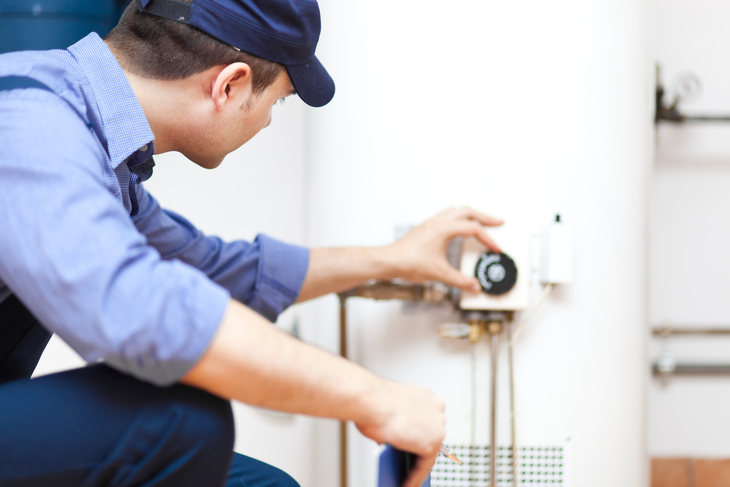
Central heating systems are a staple in many homes, providing consistent warmth through ducts or radiators. These systems typically rely on furnaces or boilers powered by electricity, natural gas, or oil.
Energy Consumption:
- Electric furnaces: High energy use, best suited for areas with lower electricity costs.
- Gas furnaces: More energy-efficient than electric models, especially in colder climates.
- Oil furnaces: Less efficient than gas but useful in areas lacking natural gas infrastructure.
Central systems excel at heating large spaces but can consume significant energy if not properly maintained. Regular servicing and using a programmable thermostat can optimize their efficiency.
2. Space Heaters
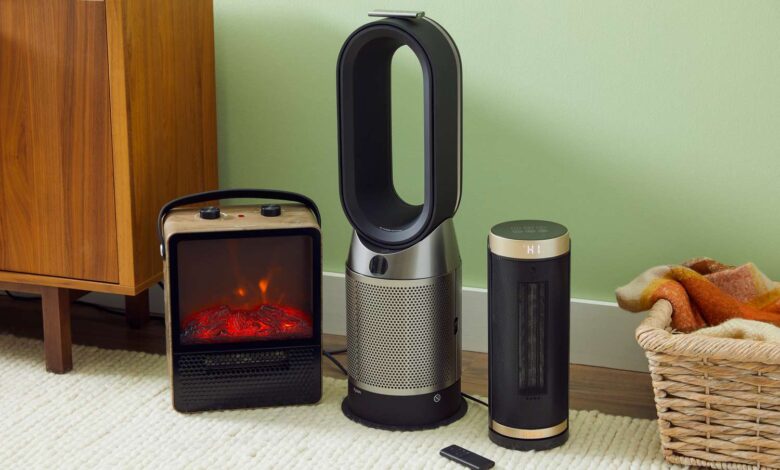
Space heaters are compact devices designed to heat specific areas rather than the entire home. They are ideal for supplemental heating and come in various types, including convection, radiant, and ceramic models.
Energy Consumption:
- Convection heaters: Use fans or natural airflow to distribute heat, consuming moderate energy.
- Radiant heaters: Efficient for targeted heating, using less energy when heating small areas.
- Ceramic heaters: Known for energy efficiency, as they heat quickly and maintain warmth longer.
These heaters are practical for short-term use in small spaces but can be energy-intensive if relied upon as the primary heat source.
3. Heat Pumps
Heat pumps are a modern solution for energy-efficient heating, leveraging electricity to transfer heat from outside to inside. They are versatile and can also provide cooling during warmer months.
Energy Consumption:
- Air-source heat pumps: Consume less energy than traditional systems but are less effective in extremely cold climates.
- Ground-source (geothermal) heat pumps: Highly efficient, with lower energy consumption and operational costs over time.
Heat pumps are among the most energy-efficient options available, offering significant savings on utility bills when used appropriately.
4. Baseboard Heaters
Baseboard heaters are electric units installed along the baseboards of rooms, providing steady warmth. They operate by heating air near the floor, which then rises to warm the room.
Energy Consumption:
- Standard baseboard heaters: Consume substantial electricity due to their continuous operation.
- Hydronic baseboard heaters: Use a liquid medium to retain heat longer, consuming less energy over time.
While effective for localized heating, baseboard heaters can be less efficient than other systems if used extensively.
5. Infrared Heaters
Infrared heaters use electromagnetic radiation to directly heat objects and people rather than the surrounding air. This targeted approach makes them an energy-efficient choice for spot heating.
Energy Consumption:
- Infrared models consume minimal energy when used for short periods or specific areas.
- They are more efficient in outdoor or drafty spaces where air heating would be wasteful.
Infrared heaters are a cost-effective solution for supplemental heating but are less practical for whole-home heating needs.
6. Oil-Filled Radiators
Oil-filled radiators are portable heaters that use electricity to warm oil inside a sealed unit, which then radiates heat into the room.
Energy Consumption:
- These heaters consume moderate energy but retain heat efficiently, requiring less frequent operation.
- They are ideal for maintaining warmth in medium-sized rooms without excessive power usage.
The slow heating process makes them less suitable for quick temperature adjustments but excellent for sustained warmth.
7. Pellet Stoves
Pellet stoves burn compressed wood or biomass pellets to generate heat, offering a renewable alternative to traditional heating.
Energy Consumption:
- Require electricity to operate fans and feeders but use significantly less power than electric heaters.
- The cost of pellets is lower than gas or oil, providing long-term savings.
Pellet stoves are eco-friendly and efficient, particularly in areas where biomass fuels are readily available.
8. Gas-Fired Space Heaters
Gas-fired space heaters are standalone units powered by natural gas, propane, or kerosene. They are often used in garages, workshops, or outdoor settings.
Energy Consumption:
- Natural gas models: Highly efficient, with low operational costs.
- Propane and kerosene models: Consume more energy and are less cost-effective than natural gas.
These heaters provide powerful heating but are best suited for spaces with adequate ventilation.
9. Solar-Powered Heaters
Solar heaters utilize energy from the sun to provide warmth, making them a sustainable and cost-effective option.
Energy Consumption:
- Require an initial investment in solar panels but have minimal operational costs.
- Perform best in sunny climates with adequate daylight exposure.
While not sufficient as a standalone system in colder climates, they serve as an excellent supplemental heating source.
10. Wood-Burning Stoves
Wood-burning stoves rely on traditional methods, using firewood to produce heat. They offer a rustic charm and are widely used in rural settings.
Energy Consumption:
- No electricity required, making them cost-effective for off-grid locations.
- Energy efficiency depends on the quality of the stove and firewood.
Modern designs with advanced combustion technology improve efficiency while reducing emissions.
Finding the Right Heater for Your Needs
Selecting the ideal heater requires balancing energy consumption, heating capacity, and operational costs. By understanding the performance characteristics of each type, you can choose a system that aligns with your comfort and energy goals. Whether you prioritize sustainability, convenience, or cost-efficiency, the perfect heater is within reach.