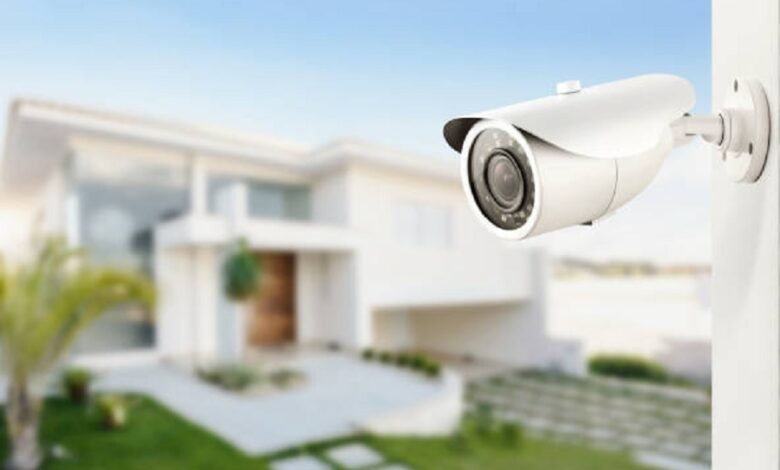
As technology advances, CCTV cameras have become increasingly sophisticated, offering a wide range of features that can enhance security for homes and businesses. Choosing the right CCTV camera can be a daunting task, given the variety of options on the market. To ensure you make a sound investment, it’s essential to focus on features that will provide the most value and effectiveness for your specific needs. This article delves into the top features to consider when purchasing a CCTV camera, helping you select a system that combines reliability, clarity, and comprehensive security.
1. Resolution Quality for Clear Footage
A CCTV camera’s resolution is one of its most crucial attributes, as it determines the clarity of the images or videos captured. Higher resolution cameras, such as those offering 1080p Full HD or 4K Ultra HD, produce sharper, more detailed footage, making it easier to identify faces, license plates, and other critical details. Investing in a high-resolution camera ensures that footage is usable, even in cases where minute details are essential for investigation. For most environments, a minimum of 1080p resolution is recommended, but 4K options are ideal for larger spaces or areas requiring detailed scrutiny.
2. Night Vision Capabilities for Round-the-Clock Surveillance
Night vision technology is indispensable for effective 24/7 surveillance. With infrared (IR) LEDs, CCTV cameras can capture clear images in low-light or pitch-dark conditions, ensuring security even after dusk. When selecting a camera, check the range of its night vision, which typically varies from 10 meters to over 30 meters. Opt for a camera with high-quality night vision capabilities, as this ensures that images remain clear and discernible regardless of the lighting conditions, making it a valuable feature for both residential and commercial setups.
3. Wide-Angle Lens for Comprehensive Coverage
A camera’s field of view, or the width of the area it can capture, directly impacts how much of a given space it can monitor. Wide-angle lenses, particularly those with 90 to 180-degree coverage, allow a single camera to capture more of its surroundings, reducing the number of cameras required to monitor an area. This feature is especially beneficial for large spaces like parking lots, warehouses, or large hallways. Panoramic cameras offer even wider views, which can be particularly valuable for business premises where thorough coverage is paramount.
4. Motion Detection for Efficient Monitoring
Motion detection is an intelligent feature that activates recording only when movement is detected within a specified range. This conserves storage and reduces the amount of footage to review, as it captures only moments that matter. Many modern CCTV systems allow you to customize motion detection settings, such as sensitivity levels or detection zones, which ensures that only relevant movement is captured. Advanced systems even send real-time alerts to your smartphone or email when motion is detected, allowing you to respond promptly to potential incidents.
5. Weather Resistance for Outdoor Durability
For cameras placed outdoors, weather resistance is an essential feature. Cameras with an IP (Ingress Protection) rating of at least IP65 are designed to withstand various weather conditions, from rain and dust to extreme temperatures. A high IP rating ensures that your camera functions effectively year-round, even in challenging climates. Choosing a weather-resistant model prevents frequent maintenance or replacement due to damage, making it a more sustainable and reliable option for outdoor security.
6. Two-Way Audio for Communication and Deterrence
Two-way audio allows communication through the camera, enabling you to listen and speak to anyone on the other side. This feature is beneficial for deterring intruders, as a simple warning message can discourage them from entering the premises. Additionally, two-way audio can be useful for communicating with visitors, delivery personnel, or employees without having to be on-site. This functionality is especially useful for businesses, gated homes, or entry points where interaction may be necessary.
7. Cloud and Local Storage Options
The storage capacity of a CCTV system determines how much footage can be saved for future review. Many cameras now offer both cloud and local storage options. Cloud storage allows you to access footage from anywhere, providing an extra layer of security if the camera itself is damaged or stolen. Local storage, often in the form of a microSD card or an external hard drive, offers immediate access without an internet connection. Depending on your preference, it may be wise to choose a camera that supports both, allowing for flexibility and redundancy in storage.
8. Remote Access and Mobile App Integration
Modern CCTV cameras often come with remote access capabilities, allowing you to view live footage or review recordings on your smartphone or computer. Mobile app integration adds convenience, enabling you to monitor your premises from anywhere at any time. Look for a CCTV system with a well-designed, user-friendly app that provides essential features like live streaming, playback, and motion alerts. This feature provides peace of mind, as you can keep an eye on your property even when you’re away.
9. Power Source and Battery Backup
Different CCTV cameras operate on various power sources—some require a wired connection, while others run on batteries or are solar-powered. For outdoor or remote locations where wiring is difficult, battery-operated or solar-powered cameras offer an excellent alternative. Furthermore, cameras with a battery backup can continue recording during power outages, ensuring continuous surveillance. Consider the power needs of your camera system and choose one that suits your location and backup preferences, as uninterrupted operation is crucial for effective security.
10. Privacy Masking for Selective Monitoring
Privacy masking is a feature that allows users to block out specific areas within the camera’s field of view. This can be essential in locations where certain zones should remain private or are legally required to do so, such as neighboring properties or specific sections of a workspace. By blocking out these areas, you can ensure compliance with privacy standards while still monitoring your premises effectively. This feature is particularly valuable for businesses or shared spaces where privacy concerns are more complex.
11. Artificial Intelligence (AI) Features for Advanced Security
With the rise of AI technology, many CCTV cameras now come with advanced analytics capabilities, such as facial recognition, vehicle identification, and object tracking. These features enable more intelligent monitoring, allowing the camera to differentiate between ordinary movements and suspicious activities. For instance, AI-powered cameras can recognize familiar faces, vehicles, or even track specific patterns that may indicate potential threats. These intelligent capabilities greatly enhance security and make it easier to identify and address risks proactively.
Investing in the Right CCTV Features for Lasting Security
When selecting a CCTV camera, understanding which features matter most for your security needs can make all the difference. Features like high resolution, night vision, wide-angle lenses, and motion detection are essential for clear, effective monitoring. By carefully choosing a system with the right blend of functionalities, you create a more secure environment that safeguards your property, deters crime, and provides peace of mind. In today’s world, investing in a well-equipped CCTV system is a proactive step toward protecting what matters most.