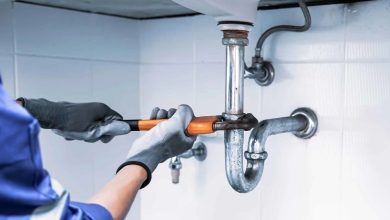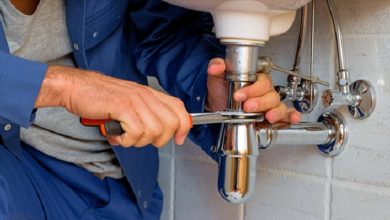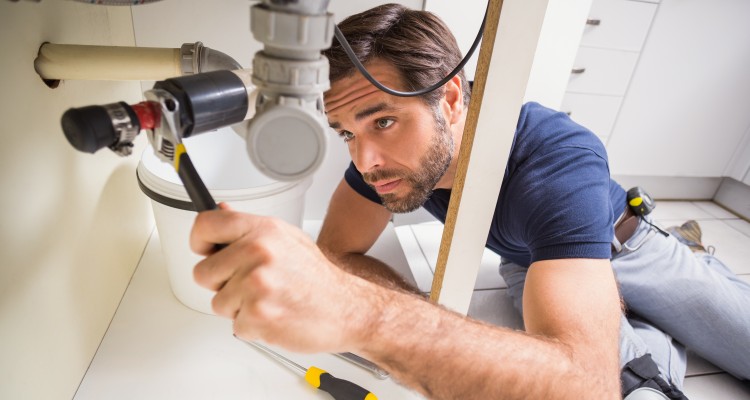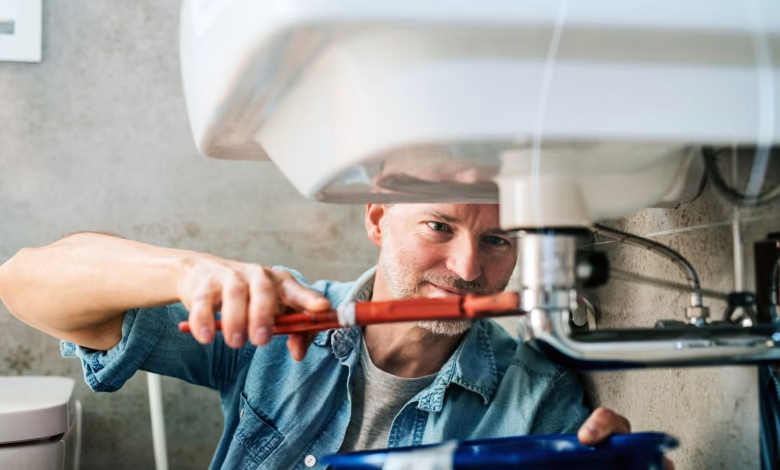
Plumbing issues often start small but can quickly escalate into expensive damage if ignored. A dripping pipe, a slow drain, or a sudden drop in water pressure may seem minor at first, yet these signs can indicate deeper problems within your plumbing system. Recognizing early warning signs allows homeowners to take action before repairs become more complicated and costly.
Understanding when to call a plumber can protect your home from water damage, mold growth, and structural issues. The following signs suggest your home may need immediate plumbing repairs.
Persistent Leaks and Dripping Faucets
A dripping faucet might appear harmless, but it can waste a significant amount of water over time. Even a slow leak can indicate worn-out washers, damaged seals, or corroded pipes.
Warning Signs to Watch For
- Constant dripping from faucets
- Water collecting under sinks
- Damp cabinets or flooring
- Visible corrosion on pipes
Ignoring leaks can lead to mold growth, structural damage, and higher water bills.
Sudden Drop in Water Pressure
Low water pressure can make everyday activities like showering or washing dishes frustrating. More importantly, it may signal a deeper plumbing issue.
Possible Causes of Low Pressure
- Pipe leaks within walls
- Mineral buildup inside pipes
- Clogged aerators or fixtures
- Problems with the main water line
If multiple fixtures in your home experience low pressure simultaneously, the problem may require urgent professional attention.
Slow or Frequently Clogged Drains
A single slow drain might be caused by minor debris buildup, but frequent or multiple clogged drains often indicate a more serious issue within the plumbing system.
Common Causes of Drain Blockages
- Hair and soap buildup
- Grease accumulation in kitchen drains
- Foreign objects lodged in pipes
- Tree root intrusion in underground pipes
If several drains in your home clog at once, it may indicate a sewer line blockage, which requires immediate repair.
Unusual Noises in Pipes
Plumbing systems should operate quietly. If you hear unusual noises coming from pipes, something may be wrong.
Sounds That Signal Plumbing Problems
- Banging or knocking sounds
- Whistling pipes
- Gurgling drains
- Rattling pipes inside walls
These noises may indicate air trapped in pipes, loose fittings, water pressure issues, or blockages.
Water Stains or Damp Walls
Water stains on walls, ceilings, or floors often point to hidden plumbing leaks behind surfaces.
Signs of Hidden Leaks
- Discolored ceiling spots
- Peeling paint or wallpaper
- Soft or warped drywall
- Damp or musty odors
Hidden leaks can weaken structural materials and promote mold growth, making quick repairs essential.
Unpleasant Odors from Drains
A foul smell coming from drains may indicate sewage problems or organic buildup inside pipes.
Possible Causes
- Food waste trapped in kitchen drains
- Dry or empty drain traps
- Blocked sewer lines
- Bacteria buildup inside pipes
Persistent odors should never be ignored, as they may signal sanitation concerns.
Unexpected Increase in Water Bills
If your water usage hasn’t changed but your bill suddenly rises, there may be a hidden leak somewhere in your plumbing system.
How to Identify Hidden Leaks
- Turn off all water fixtures in your home
- Check your water meter
- Wait 30–60 minutes without using water
- Check the meter again
If the meter reading changes, you likely have a leak that requires repair.
Discolored or Rusty Water
Brown or yellow-tinted water usually indicates corrosion inside pipes or problems with your water heater.
Possible Causes
- Rusty galvanized pipes
- Sediment buildup in water heaters
- Corrosion in plumbing fixtures
Discolored water can affect water quality and may require immediate plumbing inspection.
Mold or Mildew Growth
Excess moisture from hidden plumbing leaks often leads to mold or mildew growth inside the home.
Warning Signs
- Black or green spots on walls
- Musty odors in bathrooms or basements
- Recurring mold in the same area
Mold can spread quickly and may cause health issues, making prompt plumbing repairs necessary.
Frequently Asked Questions (FAQs)
1. How often should a home’s plumbing system be inspected?
A professional plumbing inspection is recommended every 1–2 years to identify potential problems early.
2. What is the most common household plumbing problem?
Leaky faucets and clogged drains are among the most frequent plumbing issues homeowners experience.
3. Can small plumbing leaks cause serious damage?
Yes. Even minor leaks can lead to mold growth, structural damage, and increased water bills if left untreated.
4. Is low water pressure always caused by plumbing problems?
Not always. It can also result from municipal water supply issues or pressure regulator problems, but plumbing issues are a common cause.
5. How can homeowners prevent plumbing emergencies?
Preventive steps include:
- Avoid pouring grease down drains
- Use drain strainers
- Insulate exposed pipes
- Schedule regular plumbing maintenance
6. What should I do if a pipe suddenly bursts?
Immediately shut off the main water supply, turn off electricity near affected areas, and contact a plumber as quickly as possible.
7. When should I replace old plumbing pipes?
Pipes may need replacement if they show frequent leaks, corrosion, rust-colored water, or reduced water pressure.
Recognizing the early signs of plumbing problems helps homeowners avoid costly repairs and serious water damage. Addressing these issues quickly ensures that your home’s plumbing system remains safe, efficient, and reliable.