Imagine this: you turn on the shower, expecting it to be warm and relaxing—but after a few minutes, the water goes cold, and you’re stuck finishing up freezing. It’s not just annoying. It might actually be a sign that your hot water system is past its prime. And the truth is, holding on to an old or inefficient one could be costing you more than just comfort.
Hot water systems don’t last forever. Over time, they work harder to deliver the same results. That means more energy used, more water wasted, and higher bills creeping in every month. People often don’t notice until something breaks, but by then, it’s already done damage to the budget. Understanding how these systems work—and why keeping an old one isn’t always a smart choice—can help avoid those unexpected surprises.
The Hidden Costs Most People Don’t Think About
Old systems aren’t just about slow heating or lukewarm showers. There are some sneaky ways they can hit your wallet. First, there’s the energy side. Older units usually use more power because they’re less efficient. Every time they heat water, they’re using more electricity or gas than they need to. That adds up, especially over months and years.
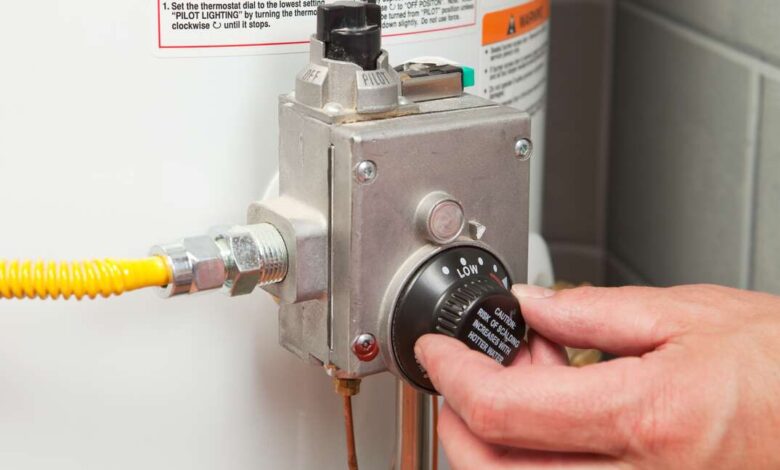
Then there’s the repair side. Old systems tend to break down more often. A valve leaks here, the pilot light keeps going out, or the tank starts rusting. These repairs might not seem like much at first, but they don’t stop. One problem leads to another, and the bills stack up fast. Eventually, the money spent patching things together could have gone toward a new, better system.
On top of that, there’s the water itself. Some systems lose heat while it sits in the tank. So the unit has to keep reheating the same water again and again—even if no one’s using it. That’s wasted energy and wasted water, too.
Why Regular Hot Water Isn’t Always a Sign Everything’s Fine
Just because the water still heats up doesn’t mean everything’s okay. Hot water systems can slowly lose efficiency without any clear warning. It’s kind of like a car engine that still runs but needs more fuel to do the same job. You won’t always notice right away, but the longer it goes, the more you pay.
That’s why it’s helpful to keep an eye on signs that something’s off. If it takes longer than usual to get hot water, or if the pressure’s dropped, that might mean the system is struggling. Sometimes there’s even a strange smell or sound when the heater runs. None of these mean the whole thing is broken, but they’re signs it might be heading that way.
For anyone wondering where to get proper advice or help with this kind of thing, checking out trusted providers for hot water systems Auckland, or wherever required, can be a solid place to start. They can offer real solutions without all the confusion that usually comes with technical stuff.
Energy Bills Keep Climbing? Your Water Heater Might Be Why
One of the biggest signs that something’s not right is a jump in the power bill. If the hot water setup is using more energy to do the same job, it shows up fast in how much you’re paying. Even if the water still heats properly, it might be burning through electricity or gas just to keep up.
What’s tricky is that people don’t always connect the dots. They blame the weather or the oven or something else in the house. But water heating can make up a big chunk of energy use—sometimes up to a third of the whole bill. So even a small drop in performance can make a real impact.
Modern systems are built to avoid that problem. They hold heat better, work faster, and use less power. Some can even switch between energy sources depending on what’s cheapest or most efficient. Upgrading might cost a bit upfront, but the savings kick in almost right away.
The Risk of Water Damage from Failing Tanks
Another thing people don’t always expect is that an old system can start leaking—sometimes slowly, sometimes all at once. If the tank rusts out or cracks, water can spill into places it shouldn’t go. That can cause mold, damage walls or floors, and lead to serious repair work that costs way more than just replacing the heater would have.
Even a small leak adds up if it goes unnoticed for weeks. The worst part is that insurance sometimes won’t cover the damage if the system wasn’t properly maintained. So keeping an eye on its condition isn’t just smart—it can actually protect the rest of the home too.
If the heater is more than ten years old and hasn’t had a service check in a while, it’s usually worth getting it looked at. Plumbers can often spot early warning signs that most people miss, and that can save a lot of hassle later on.
Technology Has Changed—So Has What You Get from It
The hot water systems built today aren’t just replacements—they’re upgrades. They come with better insulation, faster heating, and built-in ways to reduce waste. Some even let you track energy use from a phone or set timers to heat water when power is cheapest. That kind of control wasn’t around when older systems were made.
What that means is not only will the new system save money over time, it can actually make life easier too. No more guessing how long to wait between showers. No more running out of hot water when someone uses the sink. It’s all faster, cleaner, and simpler.
A lot of homes were built with basic systems meant to get the job done, not to run smoothly for years. Upgrading means shifting from “just okay” to something that actually supports the way a house gets used now—more devices, more hot water needs, and more focus on energy saving.
A Small Change That Adds Up Over Time
Thinking about replacing a hot water system might not feel urgent—until it breaks. But waiting too long means putting up with rising costs, weak performance, and higher chances of damage. It’s one of those home systems that’s easy to forget about until something goes wrong. And by that point, the cost is a lot more than just money. It’s cold showers, surprise repairs, and a whole lot of stress.
Swapping out an old heater for something new isn’t just about comfort. It’s about stopping the silent waste that builds up over time. Energy, water, and money all get saved when the system runs how it’s supposed to.
Sometimes, all it takes is a check-up to know where things stand. Even if replacement isn’t needed right away, knowing what shape the system is in helps plan ahead and avoid surprises.
What to Remember Going Forward
Hot water systems might not seem exciting, but they’re one of the most important parts of a home. An old one can quietly drain energy, raise bills, and break down at the worst time. If showers are slower to heat or bills are creeping up, those might be clues that the system isn’t working efficiently anymore.
Upgrading to something more modern can lower energy use, improve reliability, and even help protect against leaks and water damage. It’s one of those changes that doesn’t just solve problems—it helps stop them before they start.
Keeping things running smoothly doesn’t have to be complicated. A good system, regular check-ups, and a little awareness go a long way. And once it’s sorted, you can enjoy hot water without even thinking about it—which is exactly how it should be.