As the world pivots towards sustainable development, energy efficiency has become a cornerstone of modern infrastructure. In Thailand, where vibrant cities like Bangkok are bustling with growth and innovation, the adoption of advanced electrical systems is not just a trend but a necessity. These modern systems are designed to improve energy efficiency, reduce costs, and minimise environmental impact. This blog delves into the key benefits of such systems and how they are shaping the future of electrical services design in Thailand.
Thailand’s commitment to enhancing energy efficiency is evident through various initiatives aimed at reducing carbon footprints and conserving resources. One significant benefit of modern electrical systems is their ability to optimise energy consumption effectively. Advanced technologies like smart meters enable precise monitoring and control over electricity usage. By providing real-time data on consumption patterns, these systems empower both businesses and households to make informed decisions that lead to reduced energy waste.
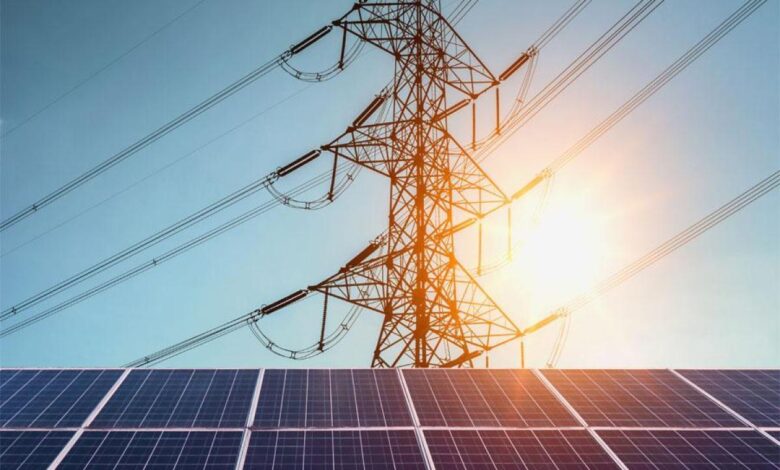
Another critical advantage lies in the integration of renewable energy sources. Modern electrical systems facilitate seamless incorporation of solar panels and wind turbines into existing infrastructures. This integration not only decreases reliance on fossil fuels but also supports Thailand’s goal towards increased use of renewable energies by 2037 as outlined in its Power Development Plan (PDP). Such a shift promotes cleaner environments while ensuring long-term sustainability amidst rising energy demands.
Moreover, modern electrical services design has revolutionised building automation in Thailand’s urban landscapes. Smart buildings equipped with automated lighting, heating, ventilation, and air conditioning (HVAC) systems can significantly lower electricity consumption through intelligent scheduling and occupancy sensors. This technological advancement results in optimised operations that adapt to actual needs rather than running constantly at full capacity—effectively leading to substantial cost savings for property owners.
The reliability aspect of these state-of-the-art systems cannot be overstated either. With robust grid infrastructures bolstered by modern technologies like microgrids and battery storage solutions, power outages become less frequent and recovery times improve significantly during disruptions. In a country known for its tropical storms, having resilient infrastructure is crucial for maintaining uninterrupted service delivery across all sectors—from healthcare facilities to industrial plants.
Lastly, embracing modern electrical systems fosters economic growth by creating new job opportunities within the green technology sector, be it in system installation or maintenance fields—which supports local economies across Thailand’s provinces. As demand grows for skilled professionals who can navigate this evolving landscape efficiently, educational institutions are also adapting their curricula accordingly, ensuring that younger generations are equipped with necessary skills for future challenges.
To sum up, the transition towards modern electrical systems presents multiple benefits ranging from enhanced energy efficiency to economic enhancement, all pivotal factors contributing positively toward sustainable development goals in Thailand. As tech advancements continue to reshape our approach towards energy usage, it becomes increasingly clear how vital it is for communities everywhere, to embrace these innovations.