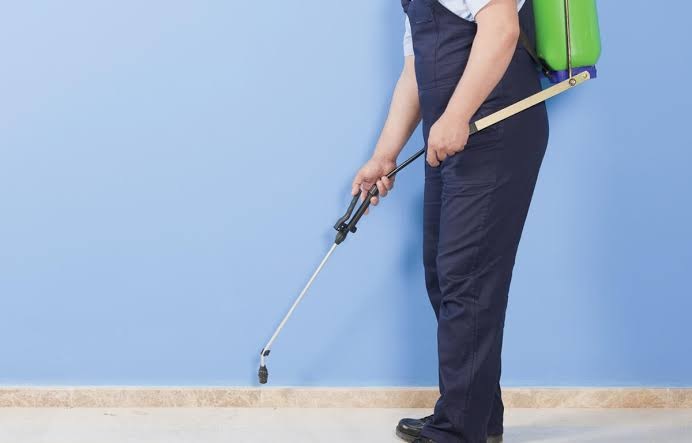
Introduction
Preventing pest infestations is far easier and more cost-effective than eliminating an established pest problem. Once insects or rodents gain access to a home or commercial property, they can reproduce quickly, contaminate food, damage structures, and create unhealthy living conditions. A proactive pest control strategy focuses on removing the conditions that attract pests while blocking their access to the property. With regular maintenance, proper sanitation, and routine inspections, homeowners can significantly reduce the risk of infestations and enjoy a cleaner, safer, and healthier environment throughout the year.
Why Prevention Is Better Than Treatment
Many pest infestations develop gradually and remain unnoticed until the population becomes large. Waiting until pests are visible often means the infestation has already spread.
Preventive pest control offers several important advantages:
- Reduces the risk of major infestations
- Lowers repair and treatment costs
- Protects indoor air quality
- Prevents food contamination
- Helps maintain a healthier home
- Reduces stress caused by recurring pest problems
Taking preventive action saves both time and money in the long run.
Understand What Attracts Pests
Pests are constantly searching for food, water, and shelter. If these basic needs are available, your property becomes an attractive place for insects and rodents to settle.
Common attractants include:
- Crumbs and food spills
- Uncovered garbage bins
- Pet food left overnight
- Standing water
- Leaking pipes
- Cluttered storage areas
- Overgrown landscaping
- Damp basements
Identifying and eliminating these attractants is the foundation of effective pest control.
Keep Your Home Clean
Maintaining a clean living space is one of the simplest ways to discourage pests.
Important cleaning habits include:
- Wipe kitchen counters after every meal.
- Sweep and vacuum floors regularly.
- Wash dishes promptly.
- Clean under appliances.
- Empty trash bins frequently.
- Store food in airtight containers.
These practices remove food sources that attract ants, cockroaches, rodents, and other household pests.
Eliminate Moisture Problems
Many pests thrive in damp conditions. Excess moisture encourages the growth of mold and creates ideal breeding environments for numerous insects.
Reduce moisture by:
- Repairing leaking faucets
- Fixing damaged plumbing
- Improving ventilation
- Using exhaust fans
- Cleaning gutters
- Removing standing water around the property
Keeping your home dry makes it much less appealing to moisture-loving pests.
Seal Entry Points
Even tiny openings can allow pests to enter a building.
Inspect your property for:
- Cracks in the foundation
- Gaps around windows
- Spaces beneath doors
- Damaged weather stripping
- Utility pipe openings
- Roof vents
Sealing these access points prevents pests from entering before they become a problem.
Maintain Your Yard
Outdoor maintenance plays a significant role in pest prevention because many infestations begin outside before moving indoors.
Good landscaping practices include:
- Trim bushes away from exterior walls.
- Mow the lawn regularly.
- Remove leaf piles.
- Store firewood away from the house.
- Keep gutters free of debris.
- Eliminate standing water.
A well-maintained yard creates fewer hiding places for pests.
Inspect Your Home Regularly
Routine inspections help identify early signs of pest activity before infestations become serious.
Look for:
- Droppings
- Chewed materials
- Mud tubes
- Damaged wood
- Nesting materials
- Unusual odors
- Insect wings
- Pest trails
Early detection allows for faster and more effective pest control.
Store Food Properly
Food storage has a major impact on pest activity.
Best practices include:
- Use sealed containers.
- Keep pantry shelves clean.
- Rotate stored food regularly.
- Avoid leaving fruit uncovered.
- Clean pet feeding areas after meals.
Proper storage limits access to food and discourages pests from settling indoors.
Dispose of Waste Correctly
Garbage provides both food and shelter for many pests.
To reduce attraction:
- Use trash cans with tight-fitting lids.
- Empty indoor garbage daily.
- Clean garbage containers regularly.
- Keep outdoor bins away from entry doors.
- Dispose of food waste promptly.
Good waste management is an essential part of preventive pest control.
Schedule Professional Pest Control Inspections
Even well-maintained homes can experience pest problems. Professional inspections help detect hidden infestations that may not be visible during routine cleaning.
Professional pest control services typically provide:
- Comprehensive inspections
- Pest identification
- Preventive treatments
- Seasonal recommendations
- Entry point assessments
- Long-term maintenance plans
Routine inspections offer additional protection and help prevent costly infestations.
Create a Year-Round Prevention Plan
Pest activity changes with the seasons, making year-round prevention important.
A successful pest control plan should include:
- Spring inspections for termites and ants
- Summer mosquito prevention
- Autumn rodent exclusion
- Winter indoor monitoring
Seasonal maintenance keeps pest populations under control throughout the year.
Educate Everyone in the Household
Pest prevention works best when everyone contributes.
Encourage family members to:
- Clean up food spills immediately.
- Close doors properly.
- Report pest sightings.
- Keep bedrooms and storage areas organized.
- Avoid leaving food in living spaces.
Consistent habits strengthen the overall pest control strategy.
Conclusion
Preventing pest infestations requires ongoing attention rather than waiting for problems to appear. By maintaining cleanliness, eliminating moisture, sealing entry points, managing outdoor spaces, and scheduling regular pest control inspections, homeowners can greatly reduce the likelihood of unwanted pests. A proactive prevention plan protects your property, improves indoor health, and saves money by stopping infestations before they have the opportunity to grow. Consistent preventive pest control remains one of the most effective ways to maintain a comfortable and pest-free home.

