Creating a home garden is one of the most rewarding ways to improve your living space. Whether you have a large backyard, a small balcony, or a sunny window, gardening allows you to grow fresh plants, enhance your surroundings, and reduce stress.
For beginners, starting a garden may seem complicated. However, with the right approach and a few practical steps, anyone can build a healthy and visually appealing garden.
Choose the Right Location
The success of your garden largely depends on where you place it. Most plants need adequate sunlight, good airflow, and proper drainage.
When selecting a garden spot, consider:
- Sunlight exposure – Most vegetables and flowers need 6–8 hours of sunlight daily
- Easy access to water
- Protection from strong winds
- Well-drained soil or suitable containers
For apartment dwellers, balconies, terraces, or window areas can also support a thriving garden.
Start with Easy-to-Grow Plants
Beginners should start with plants that are low maintenance and resilient.
Some beginner-friendly plants include:
Vegetables
- Lettuce
- Tomatoes
- Spinach
- Radishes
Herbs
- Basil
- Mint
- Coriander
- Rosemary
Flowers
- Marigolds
- Sunflowers
- Petunias
These plants grow quickly and help beginners gain confidence in gardening.
Prepare Healthy Soil
Healthy soil is essential for plant growth. Good soil provides nutrients, moisture retention, and root support.
To improve soil quality:
- Add organic compost or manure
- Remove rocks and weeds
- Loosen the soil for better aeration
- Maintain balanced moisture levels
If you are gardening in containers, use high-quality potting mix designed for potted plants.
Choose the Right Containers and Garden Beds
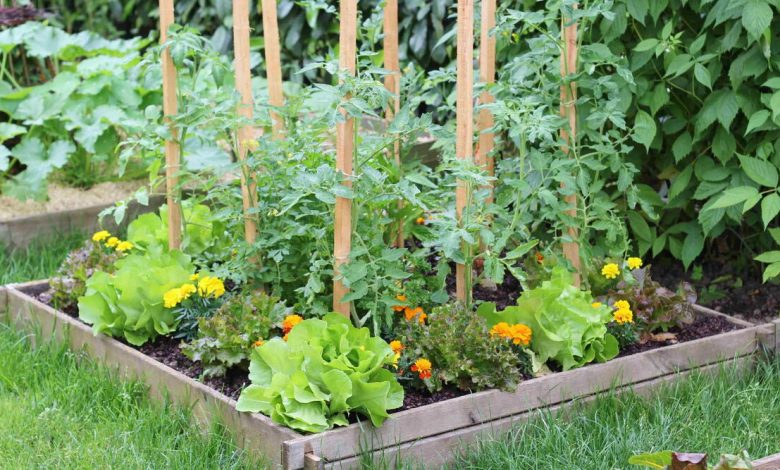
Not all gardens require large plots of land. Containers and raised beds allow gardening in small spaces.
Popular options include:
- Terracotta or plastic pots
- Wooden planter boxes
- Hanging baskets
- Raised garden beds
Make sure containers have drainage holes to prevent water from accumulating around plant roots.
Water Plants Properly
Watering is one of the most important aspects of plant care. Both overwatering and underwatering can harm plants.
Helpful watering tips:
- Water plants early in the morning
- Keep soil moist but not waterlogged
- Use drip irrigation or watering cans for controlled watering
- Check soil moisture before watering again
Different plants require different watering levels, so observe your plants regularly.
Add Decorative Elements
A beautiful garden is not just about plants. Decorative elements can make the space more inviting.
Ideas to enhance your garden include:
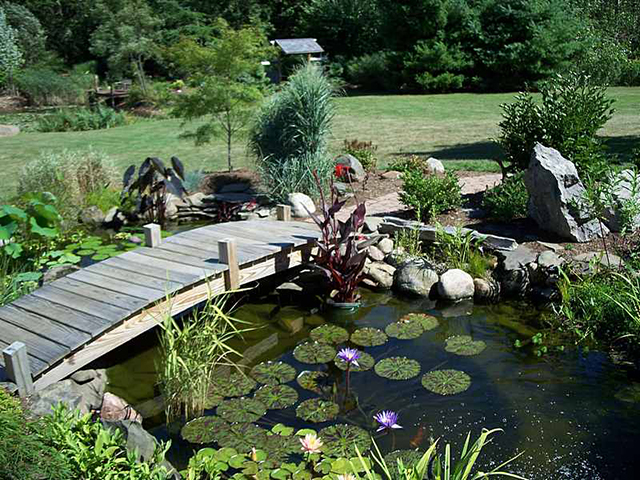
- Stone pathways or stepping stones
- Decorative plant pots
- Garden lights or lanterns
- Small seating areas
- Trellises for climbing plants
These elements transform your garden into a relaxing outdoor retreat.
Maintain Your Garden Regularly
Regular maintenance keeps your garden healthy and productive.
Basic maintenance tasks include:
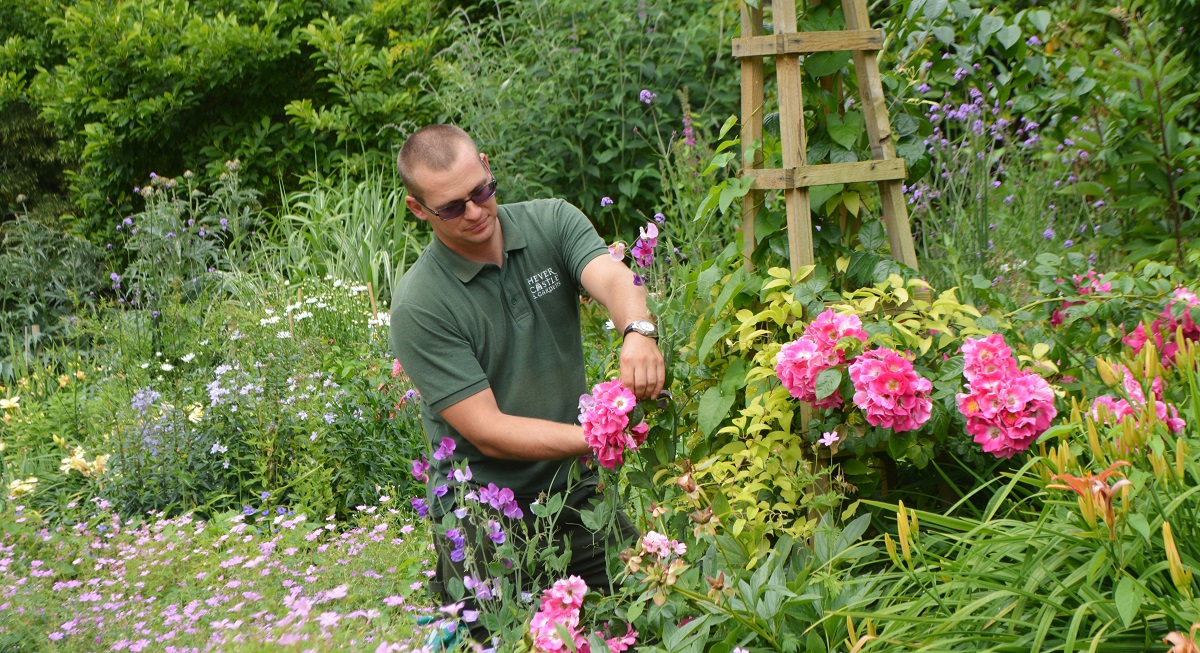
- Removing weeds
- Pruning dead or damaged leaves
- Adding fertilizer when needed
- Checking plants for pests or disease
Spending just a few minutes each day caring for your plants helps them grow stronger and healthier.
Frequently Asked Questions (FAQs)
1. How much sunlight does a home garden need?
Most vegetables and flowering plants require at least 6–8 hours of sunlight daily, while some herbs can tolerate partial shade.
2. What is the easiest garden type for beginners?
Container gardening is often the easiest option for beginners because it requires less space and offers better control over soil and watering.
3. How often should I fertilize garden plants?
Many plants benefit from fertilizing every 3–4 weeks, depending on the type of plant and fertilizer used.
4. Can I grow vegetables in a balcony garden?
Yes. Vegetables like tomatoes, peppers, lettuce, and herbs grow well in balcony containers with adequate sunlight.
5. What tools do beginners need for gardening?
Basic tools include a hand trowel, pruning scissors, watering can, gloves, and a small rake.
6. How do I protect plants from pests naturally?
Natural solutions include neem oil spray, garlic water spray, and encouraging beneficial insects like ladybugs.
7. How long does it take for plants to start growing?
It depends on the plant type. Many herbs and leafy vegetables begin showing growth within 1–3 weeks after planting.