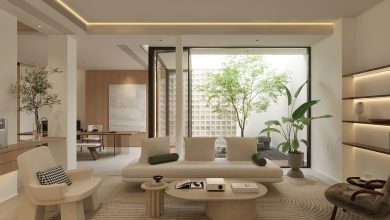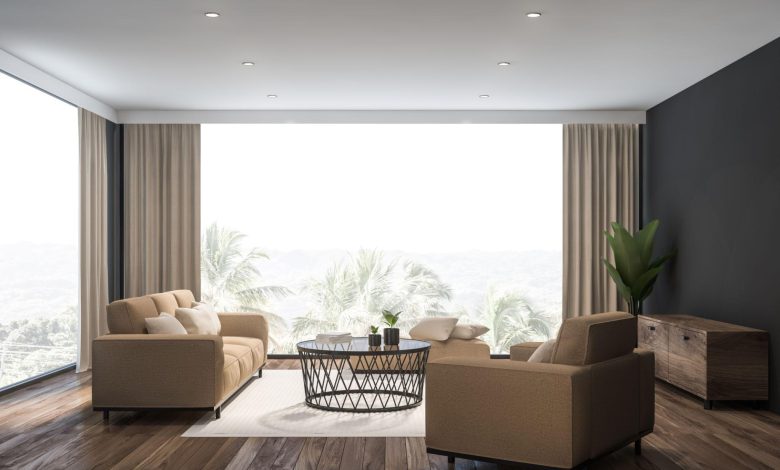
A well-designed room can dramatically change how a home feels. Thoughtful interior design doesn’t always require major renovations or expensive furniture. With the right approach, even small adjustments can create a space that feels stylish, comfortable, and functional.
Whether you’re refreshing a living room, bedroom, or home office, the following interior design tips can help transform any room into a beautiful and inviting environment.
Choose a Cohesive Color Palette
Color is one of the most powerful tools in interior design. A cohesive palette creates harmony and balance within a room.
Tips for selecting colors:
- Choose 2–3 main colors and a few complementary accent shades
- Use neutral tones like beige, gray, or white as a base
- Add contrast through decorative pieces such as pillows or rugs
- Maintain consistency throughout the space
A balanced color palette helps create a calm and visually pleasing atmosphere.
Use Proper Lighting Layers
Lighting has a major influence on the mood and functionality of a room. Instead of relying on a single light source, interior designers recommend layering different types of lighting.
Key lighting layers include:
- Ambient lighting – general illumination from ceiling lights
- Task lighting – focused light for activities like reading or working
- Accent lighting – decorative lights highlighting artwork or features
Combining these layers creates depth and improves both comfort and visibility.
Add Texture and Materials
Texture prevents a room from looking flat or boring. Mixing materials adds dimension and visual interest.
Examples of textures include:
- Soft fabrics such as velvet or linen
- Natural materials like wood and stone
- Textured rugs and throws
- Metal accents in lighting or décor
Combining textures makes a room feel warmer and more sophisticated.
Arrange Furniture for Better Flow
Furniture placement affects both the look and usability of a space.
Effective layout strategies include:
- Creating conversation areas with sofas and chairs facing each other
- Leaving clear pathways for easy movement
- Avoiding pushing all furniture against the walls
- Using area rugs to define zones within a room
A thoughtful layout makes the space feel balanced and comfortable.
Incorporate Artwork and Wall Décor
Wall décor can dramatically influence the personality of a room.
Popular choices include:
- Large statement artwork
- Gallery walls with framed photos
- Decorative mirrors
- Wall shelves with plants or objects
Artwork adds character and helps reflect your personal style and taste.
Use Mirrors to Enhance Space
Mirrors are a classic interior design trick to make rooms appear larger and brighter.
Benefits of mirrors:
- Reflect natural and artificial light
- Create the illusion of more space
- Serve as decorative elements
Placing mirrors opposite windows can maximize light reflection throughout the room.
Bring Nature Indoors with Plants
Indoor plants add freshness and life to interior spaces.
Benefits of adding plants:
- Improve air quality
- Introduce natural color and texture
- Create a relaxing atmosphere
Popular indoor plants include snake plants, pothos, fiddle-leaf figs, and peace lilies.
Add Statement Pieces
A statement piece can become the focal point of a room.
Examples include:
- A bold accent chair
- Unique coffee tables
- Decorative chandeliers
- Sculptural lamps
These pieces add personality and prevent the room from feeling too uniform.
Frequently Asked Questions (FAQs)
1. What is the most important element in interior design?
Color, lighting, and furniture layout are three of the most important elements because they influence both aesthetic appeal and functionality.
2. How can I make a small room look larger?
Using light colors, mirrors, multifunctional furniture, and good lighting can help create the illusion of a larger space.
3. Should all rooms in a house have the same design style?
Rooms can have unique styles, but maintaining a consistent color palette or theme throughout the home creates visual harmony.
4. How many colors should be used in a room?
Interior designers typically recommend three main colors: a dominant color, a secondary color, and an accent color.
5. How do I choose the right furniture size?
Measure your room carefully and ensure there is enough space for comfortable movement and balanced proportions.
6. Are indoor plants necessary for good interior design?
While not required, plants enhance the atmosphere by adding natural beauty and freshness.
7. What is a focal point in interior design?
A focal point is the main visual feature in a room—such as artwork, a fireplace, or a statement piece—that naturally draws attention when entering the space.