Indoor air quality plays a significant role in our overall health and well-being. Given the amount of time many people spend indoors, it is essential to ensure the air circulating through your home or office is as clean as possible. Air conditioners, while designed to cool the environment, also play a crucial part in filtering out harmful particles and allergens. However, the effectiveness of your air conditioning system in purifying indoor air largely depends on the type of filter it uses. Selecting the right air conditioner filter is key to maintaining a healthy indoor atmosphere. In this article, we explore some of the best air conditioner filters for improving indoor air quality and how to choose the ideal one for your needs.
1. HEPA Filters: The Gold Standard for Clean Air
High-Efficiency Particulate Air (HEPA) filters are widely regarded as the gold standard in air filtration. These filters are designed to capture 99.97% of particles as small as 0.3 microns, which includes dust, pollen, pet dander, mold spores, and even bacteria. For individuals suffering from allergies or respiratory conditions like asthma, HEPA filters provide an unparalleled level of protection against airborne irritants.
HEPA filters are particularly effective in homes with pets, where allergens from pet hair and dander can accumulate quickly. Additionally, they are excellent at capturing dust particles, which are commonly found in air ducts. Because they trap such a high percentage of microscopic particles, HEPA filters can significantly improve air quality and provide a more breathable environment for occupants.
2. Activated Carbon Filters: Combating Odors and Volatile Organic Compounds
While HEPA filters excel at trapping particles, they are not as effective in filtering out gases, odors, or volatile organic compounds (VOCs). This is where activated carbon filters shine. These filters are specifically designed to absorb gases and odors from the air. Made from carbon that has been treated to create tiny, low-volume pores, activated carbon filters have a large surface area that can trap unwanted smells and harmful chemicals.
Activated carbon filters are particularly beneficial in environments where cooking odors, smoke, or cleaning chemicals are common. If you live in an area with high pollution levels, or if you’re sensitive to certain smells, integrating an activated carbon filter into your air conditioning system can improve the overall air quality significantly.
3. MERV Filters: Balancing Airflow and Filtration Efficiency
The Minimum Efficiency Reporting Value (MERV) rating system measures the effectiveness of air filters in capturing airborne particles. The higher the MERV rating, the smaller the particles the filter can trap. MERV filters typically range from 1 to 16, with higher numbers providing greater filtration efficiency. Filters with a MERV rating between 8 and 12 are ideal for most residential settings, as they strike a balance between efficient filtration and maintaining adequate airflow in the system.
A MERV rating between 13 and 16 is typically found in commercial settings or medical environments, where air quality needs to be extremely controlled. However, it’s important to remember that higher MERV ratings can sometimes restrict airflow, potentially putting strain on your air conditioner. Therefore, it’s essential to choose a MERV filter that meets your filtration needs without overburdening your system.
4. Electrostatic Filters: Using Static Electricity for Enhanced Filtration
Electrostatic filters utilize static electricity to attract and trap particles from the air. These filters can be washable, making them an eco-friendly option. They are highly effective at capturing dust, pollen, and other airborne particles, and are a great choice for those who prefer a reusable solution. Electrostatic filters often have a MERV rating of 8 to 12, placing them in the mid-range for residential use.
One of the key advantages of electrostatic filters is their ability to trap both large and small particles. Their electrostatic charge enhances the capture rate of even fine dust, making them a good choice for homes with allergies or for areas where traditional filters might miss smaller particles.
5. UV Filters: An Extra Layer of Protection
Ultraviolet (UV) filters are designed to neutralize bacteria, viruses, and mold spores by using ultraviolet light to kill or deactivate these harmful microorganisms. While they do not capture dust or allergens like other filters, UV filters add an important layer of protection, especially in homes where there is a concern about airborne pathogens.
For homes or businesses where sanitation is a priority, UV filters work effectively to maintain a cleaner, healthier indoor environment. While UV filters are often used in conjunction with other types of air filters, they provide an additional safeguard against the spread of disease-causing microorganisms.
6. Electrostatic Precipitators: Ideal for Large Spaces
Electrostatic precipitators are advanced filters that use an electrical charge to attract and trap particles from the air. These filters are particularly effective for larger spaces and can handle high volumes of air with ease. They work by ionizing particles, which then stick to collector plates within the filter.
These filters are often used in industrial and commercial settings but are becoming increasingly popular for residential use, particularly in larger homes or offices. Electrostatic precipitators are known for their ability to remove a wide range of contaminants, including smoke, pet dander, and mold spores.
Choosing the Right Filter for Your Needs
When selecting an air conditioner filter, it is important to consider several factors. First, determine the primary pollutants you wish to target. If you suffer from allergies, a HEPA filter will provide the best results. For homes with pets or a high presence of odors, an activated carbon filter is an excellent choice. If you’re concerned about bacteria or viruses, adding a UV filter to your system can offer additional peace of mind.
Additionally, it is vital to consider the size of the filter and the airflow capacity of your air conditioner. Selecting a filter with a higher MERV rating or more robust filtration system may reduce airflow if your air conditioner is not equipped to handle it. Always consult the manufacturer’s recommendations for your specific model before making a decision.
Regular Maintenance for Optimal Air Quality
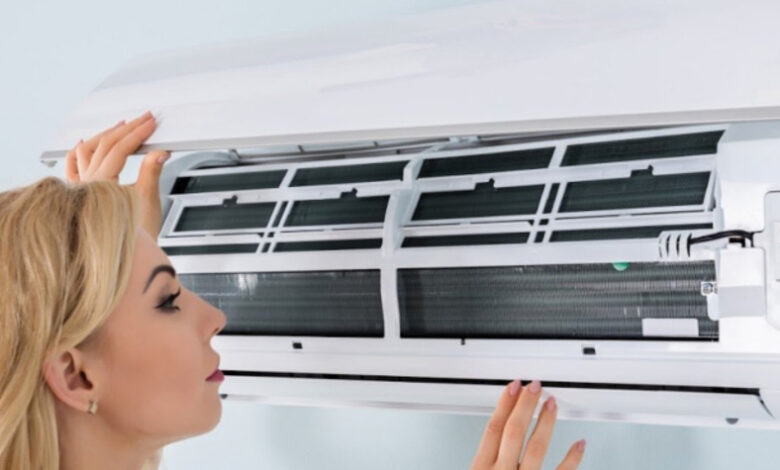
Regardless of the type of filter you choose, regular maintenance is crucial to ensure it performs optimally. Filters should be cleaned or replaced regularly, as clogged or dirty filters can impair your air conditioner’s efficiency and allow pollutants to circulate. Establishing a routine maintenance schedule can help preserve both the quality of the air in your home and the longevity of your air conditioning system.
By selecting the right filter for your air conditioner and ensuring it is maintained properly, you can significantly improve the indoor air quality of your home, leading to a healthier and more comfortable living environment for you and your family.