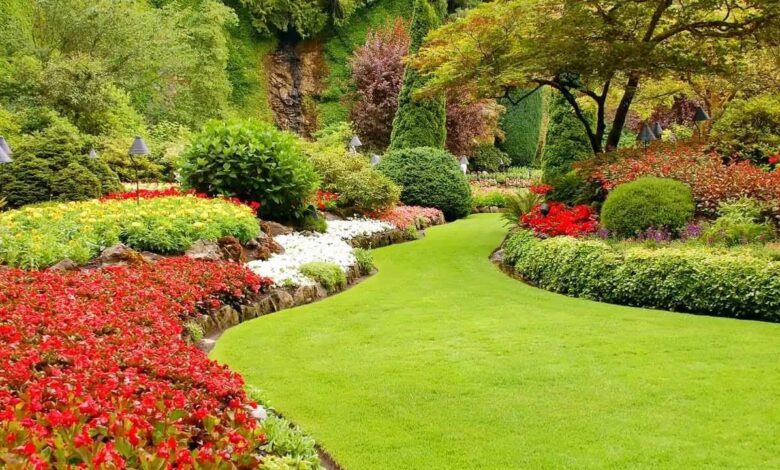
Gardening with native plants offers a multitude of benefits, from enhancing local biodiversity to requiring less maintenance than non-native varieties. Native plants are those species that occur naturally in a specific region and have adapted to the local climate, soil, and wildlife. By incorporating these plants into your garden, you can create a vibrant ecosystem that supports local wildlife while enjoying a sustainable and low-maintenance landscape. This guide will explore the advantages of using native plants, provide tips on selecting and incorporating them into your garden, and offer insights into maintaining a thriving native plant garden.
Benefits of Using Native Plants
- Biodiversity Support
Native plants are essential for supporting local wildlife, including pollinators like bees and butterflies, as well as birds and beneficial insects. These plants have evolved alongside local fauna, providing the specific food sources and habitats that wildlife needs to thrive. By creating a garden with native species, you contribute to the preservation of local biodiversity and help maintain healthy ecosystems. - Low Maintenance
One of the most appealing aspects of native plants is their low maintenance requirements. These species are well-adapted to the local environment, meaning they typically require less water, fertilizer, and pest control than non-native plants. Once established, native plants can thrive with minimal intervention, making them an excellent choice for busy gardeners or those seeking a more sustainable approach. - Water Conservation
Many native plants are drought-resistant, making them ideal for regions prone to dry spells. Their deep root systems allow them to access moisture from the soil more effectively than many non-native varieties. By incorporating native plants into your landscape, you can reduce your reliance on irrigation and conserve water resources. - Soil Health
Native plants contribute to soil health by improving its structure and fertility. Their root systems help prevent erosion, and as they grow, they can enhance nutrient cycling in the soil. Furthermore, many native species form beneficial relationships with local soil microbes, promoting a healthy ecosystem beneath the surface. - Aesthetic Appeal
Native plants come in a wide variety of shapes, sizes, and colors, offering a rich tapestry of visual interest throughout the seasons. From the vibrant blooms of wildflowers to the striking foliage of native grasses, these plants can create a beautiful and dynamic landscape that reflects the natural beauty of your region.
Selecting Native Plants for Your Garden
When planning your native plant garden, consider the following factors to ensure you choose the right species for your specific location:
- Know Your Region
Start by familiarizing yourself with the native plants that grow in your area. Resources such as local extension offices, native plant societies, and botanical gardens can provide valuable information on species that thrive in your climate and soil type. - Assess Your Soil and Sun Conditions
Different native plants have varying requirements for sunlight and soil types. Evaluate the conditions in your garden, including soil drainage, pH, and sunlight exposure. This assessment will help you select plants that are well-suited to your garden’s unique environment. - Consider Plant Height and Spread
When planning your garden layout, take into account the mature height and spread of the plants you choose. Taller species can be placed at the back of borders, while shorter plants can fill in the front. This layering creates visual interest and ensures that all plants receive adequate sunlight. - Diversity is Key
Incorporating a variety of native species can enhance the resilience of your garden and attract a wider range of wildlife. Aim for a mix of flowering plants, grasses, and shrubs to create a diverse habitat that offers year-round interest and sustenance for pollinators and other wildlife.
Designing Your Native Plant Garden
Once you have selected the appropriate native plants, consider the following design principles to create a cohesive and inviting garden space:
- Create Layers
Design your garden with layers in mind. Taller plants should be positioned at the back or center of beds, with mid-height plants flanking them and shorter species at the front. This approach not only enhances visibility but also mimics natural landscapes, providing habitats for various wildlife. - Group Plants in Clusters
Planting in clusters rather than single specimens can create more visual impact and attract pollinators more effectively. Grouping plants together allows them to thrive and fosters a sense of community among species, which can enhance their growth and resilience. - Incorporate Hardscaping Elements
Consider integrating natural hardscaping elements such as stones, pathways, and benches. These features can provide structure and enhance the aesthetic appeal of your garden. Additionally, they create spaces for people to enjoy the garden, encouraging more interaction with nature. - Include a Water Source
Adding a water feature such as a small pond, birdbath, or rain garden can attract more wildlife and provide a vital resource for both pollinators and birds. Ensure that the water source is kept clean and maintained to encourage regular visits from wildlife. - Plan for Seasonal Interest
To ensure your garden remains visually appealing throughout the year, select a variety of native plants that bloom in different seasons. Consider foliage color and texture, as well as flowering times, to create a garden that is vibrant and engaging year-round.
Maintaining Your Native Plant Garden
While native plants are generally low-maintenance, a few practices can help ensure their continued success:
- Water Wisely
During the establishment phase, native plants may require regular watering. Once established, however, many species thrive on natural rainfall. Monitor soil moisture and water only when necessary to promote deep root development. - Mulch and Weed Management
Applying a layer of organic mulch can help retain soil moisture and suppress weeds. Regularly check for invasive species and remove them promptly, as they can compete with native plants for resources. - Cut Back and Deadhead
At the end of the growing season, consider cutting back perennials to promote healthy growth in the following year. Deadheading spent blooms can encourage more flowering and prevent self-seeding if that is not desired. - Observe and Adjust
Regularly observe your garden to see how the plants are growing. If certain species seem to struggle, consider adjusting their placement or experimenting with different companions to find the best combinations for your garden’s unique conditions.
Incorporating native plants into your garden can transform your outdoor space into a thriving ecosystem that supports local wildlife and enhances the natural beauty of your environment. By understanding the benefits of native species, selecting the right plants, and designing a thoughtful layout, you can create a sustainable garden that flourishes with minimal maintenance. The effort invested in cultivating a native plant garden pays off with a vibrant landscape that celebrates the unique flora and fauna of your region.