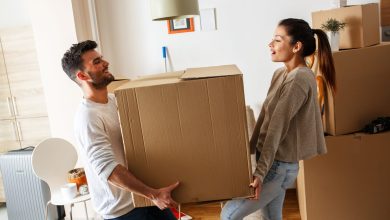
Moving to a new home can quickly become overwhelming if packing is poorly planned. Boxes pile up, fragile items break, and important belongings get misplaced. However, with the right packing strategies, the entire moving process becomes faster, more organized, and far less stressful.
Smart packing techniques help protect your belongings, save time during unpacking, and reduce moving costs. The following tips will guide you through efficient packing methods that professionals often use to simplify relocation.
Plan Your Packing Strategy Early
Packing should begin several weeks before your moving day. Waiting until the last minute leads to rushed packing and damaged items.
Create a Packing Timeline
Divide your packing tasks into manageable stages:
- 4–6 weeks before moving: Pack seasonal items and rarely used belongings
- 3–4 weeks before moving: Begin packing décor, books, and storage items
- 1–2 weeks before moving: Pack most household items
- Final days: Pack essentials and daily-use items
A clear timeline helps maintain steady progress without feeling rushed.
Prepare a Packing Inventory
An inventory list keeps track of everything being packed. This helps you:
- Prevent lost boxes
- Monitor fragile items
- Track belongings during transport
Assign a number to each box and record its contents in a notebook or digital document.
Gather the Right Packing Supplies
Using proper packing materials protects your belongings and speeds up the packing process.
Essential Packing Materials
Make sure you have the following supplies ready:
- Strong cardboard boxes in various sizes
- Packing tape and tape dispenser
- Bubble wrap or foam sheets
- Packing paper or newspaper
- Permanent markers for labeling
- Furniture covers or blankets
- Plastic bags for small parts
Buying quality materials prevents box breakage and item damage.
Use Specialized Boxes When Possible
Certain items require specially designed boxes, including:
- Wardrobe boxes for hanging clothes
- Dish packs for kitchenware
- TV and electronics boxes
- Mirror and artwork boxes
These boxes offer better protection and easier handling.
Declutter Before You Start Packing
Packing everything you own is unnecessary and increases moving costs. Before packing, take time to reduce clutter.
Sort Items into Categories
Go through each room and divide items into:
- Keep
- Donate
- Sell
- Recycle
- Discard
This process minimizes the number of boxes and makes unpacking easier.
Sell or Donate Unused Items
Items you rarely use may benefit someone else. Consider:
- Donating clothes or furniture
- Selling electronics or appliances
- Giving away items to friends or family
Less clutter means less time spent packing and unpacking.
Pack Room by Room
Packing randomly leads to confusion during unpacking. Instead, focus on one room at a time.
Benefits of Room-Based Packing
Packing room by room helps you:
- Stay organized
- Track items easily
- Simplify unpacking
- Label boxes accurately
Label each box clearly with the room name and contents.
Color Coding for Faster Unpacking
Assign a color for each room:
- Blue – Kitchen
- Green – Living room
- Yellow – Bedroom
- Red – Bathroom
Place colored tape or labels on boxes to identify them quickly when unloading.
Protect Fragile and Valuable Items
Fragile items require special attention to prevent damage during transit.
Use Proper Wrapping Techniques
For breakable items:
- Wrap each item individually in packing paper or bubble wrap
- Place heavier items at the bottom of the box
- Fill empty spaces with soft padding
- Use double boxes for extremely fragile items
Label Fragile Boxes Clearly
Mark fragile boxes with “FRAGILE” and “THIS SIDE UP” so movers handle them carefully.
Pack Heavy Items the Smart Way
Large or heavy items can cause injuries or damaged boxes if packed incorrectly.
Best Practices for Heavy Items
Follow these guidelines:
- Pack books in small boxes
- Distribute weight evenly
- Avoid overfilling boxes
- Reinforce the bottom with extra tape
Boxes should be light enough to lift comfortably.
Keep an Essentials Box
An essentials box contains items you’ll need immediately after arriving at your new home.
Items to Include
Pack a small box with:
- Toiletries
- Phone chargers
- Medications
- Basic kitchen supplies
- A change of clothes
- Important documents
- Snacks and bottled water
Keep this box with you rather than loading it into the moving truck.
Label Boxes Clearly and Consistently
Clear labeling saves hours during unpacking.
What to Write on Each Box
Each box should include:
- Room destination
- Brief list of contents
- Handling instructions (Fragile, Heavy, etc.)
Label boxes on multiple sides so they remain visible when stacked.
Smart Packing Hacks Used by Professionals
Experienced movers often use simple tricks that make packing faster.
Helpful Packing Hacks
- Use suitcases for heavy items like books
- Pack clothes inside dresser drawers
- Wrap plates vertically instead of stacking them
- Store cables in labeled zip bags
- Use towels and blankets as padding
- Take photos of electronic connections before unplugging
These techniques save space and protect valuable items.
Unpacking Tips for a Smooth Start
Efficient packing also makes unpacking easier.
Prioritize Key Rooms
Unpack rooms in this order:
- Bedroom
- Bathroom
- Kitchen
- Living room
This helps restore daily routines quickly.
Break Down Boxes Immediately
Flatten empty boxes and dispose of packing materials to keep your new home organized.
Frequently Asked Questions (FAQs)
1. What is the best way to pack clothes when moving?
Clothes can be packed in wardrobe boxes, suitcases, or vacuum storage bags to save space and keep them wrinkle-free.
2. How many packing boxes are usually needed for a move?
A one-bedroom home may require 20–40 boxes, while larger homes may need 60–100 or more, depending on belongings.
3. Should I pack electronics in their original boxes?
If available, original boxes provide the best protection for electronics, but sturdy boxes with foam padding also work well.
4. How can I make packing faster?
Start early, pack one room at a time, label boxes clearly, and declutter unnecessary items before packing.
5. Is it better to fold or roll clothes when packing?
Rolling clothes saves space and reduces wrinkles, making it a popular packing method for many movers.
6. What household items are commonly forgotten during packing?
Items often overlooked include:
- Cleaning supplies
- Chargers and cables
- Pantry items
- Laundry supplies
- Outdoor equipment
Creating a checklist prevents these items from being missed.
7. How can I prevent boxes from becoming too heavy?
Use smaller boxes for dense items like books and distribute heavy belongings across multiple boxes to balance the weight.
Packing efficiently is one of the most important parts of a successful move. With proper planning, smart techniques, and the right supplies, you can make the entire relocation process faster, safer, and significantly less stressful.